No Results Found
The page you requested could not be found. Try refining your search, or use the navigation above to locate the post.

When you use Dynamics 365 in conjunction with Azure, you gain access to a number of benefits. These benefits can help streamline your business activities and improve our customer experience, bringing you an attractive return on your investment.
Flexibility.
There are three options to choose from in terms of hosting and accessing your software. Hosting Dynamics 365 on Azure means you don’t own the software; instead, you are using a service. Because you don’t need to purchase the software, you also won’t need to install it on individual devices since the program and everything related to it (including your data) are stored online.
One of the main benefits of using Dynamics 365 with Azure is that the software is hosted on Microsoft’s servers. There is no need for you to invest in the hardware or maintain the software infrastructure. Managing security measures, performing data backups, and issuing updates are all done by Microsoft.
However, if you wanted to, you could host Dynamics 365 on-premise. In this case, you will host the program and store all of your data on your own servers or through an IT partner. This option will require you to perform all the upkeep and maintenance of the hard and software.
Hybrid Dynamics 365 deployments combine cloud and on-premise hosting. These deployments are fully integrated with the Microsoft cloud, giving you access to cloud-based services while your transactions and data are stored on your own servers.
Quick to set up.
Dynamics 365 is built and optimized for Azure. There is no need to invest time, money, and effort into on-premise CRM development and deployment. Dynamics 365 has easy-to-use point-and-click setup wizards that will have you up and running in no time. There is no need for developers to configure custom links to ensure your applications interact seamlessly.
The size and scope of Dynamics 365 can be scaled up or down as your needs change. Additional features may require more complex implementation. Still, using cloud deployment negates the need for additional computing power and servers.
Easy integration with other cloud-based products and add-ons.
When using Dynamics 365 and Azure, you can connect to programs like Office 365, SharePoint, Outlook, and PowerBI. Integrating Dynamics 365 products in Microsoft’s productivity suite allows you to harvest and use data from programs like Excel, Word, and Outlook. This could give you a more comprehensive picture of your business and increase productivity while managing everything from your Dynamics 365 interface.
More than that, combining Dynamics 365 with Azure gives you access to Microsoft’s business intelligence tools. This includes features involving machine learning to provide accurate and relevant data to grow your business and boost productivity.
AppSource gives you access to over 500 apps and add-ons from, all designed to streamline your business processes and enhance your customer experience.
Always on, always backed up.
Microsoft offers a 99.9% uptime guarantee. The company keeps synchronized copies of your company’s data on two servers. This allows your company to continue operations during planned or unexpected service outages.
In addition to excellent disaster recovery, cloud deployment automatically creates backups of your data. Saving time and resources that would otherwise be required to backup your data means you can focus your efforts on growing your business, increasing productivity, and enhancing your customer experience.
Up-to-date updates.
Dynamics 365 platform updates are issued every three months, while application updates are issued every six months. These updates are optional, and you can test them in your development sandbox before implementing them. Many of the updates offered to Dynamics 365 users aren’t offered to on-premise deployments. This means Dynamics 365 users can take advantage of the newest software developments as they become available.
Dynamics 365, in conjunction with Azure, help you take care of the business end of things so that you can focus on what really matters: delighting your customers and growing your business.
Grow your business
The page you requested could not be found. Try refining your search, or use the navigation above to locate the post.

Digital transformation is the operational, cultural, and organisational change of a company’s ecosystem. This is achieved by using smart integrated technologies and processes across every level and function of the organisation in a strategic and futuristic way. New capability developments are becoming more centred around the transformational landscape in order to be more people-orientated, agile, customer-centric, streamlined, and efficient.
To take away from this, it’s not always going to be about the technology or the kinds of disruption that comes with it. What it really signifies is that the value, people, and optimization will be able to rapidly adapt through the intelligent use of technology and information while focusing on the changes in the present and the future.
The digital landscape thrives on transformation. All the while, organisations are currently experiencing present day shifts and new trends that lead to these shifts and changes. One approach to embracing change and achieving transformation is by forming a solid digital transformation strategy that allows for faster deployment.
All of this can be induced by several factors and more often than not, at the same time.
It’s about keeping the various connected intermediary goals in mind as the digital journey moves towards optimizing all systems, divisions and business processes within the ecosystem. This is all happening in a more hyper-connected age where creating the right channels from start to finish is in function within that journey.

Digital disruption is described as and is used in the sense that organisations are challenged by new or existing companies known to have mastered their new tech and digital skills. However, we can look at digital disruption as a shift in the power of all relationships. As a human phenomenon, disruption is a shift in the way people use technology, ultimately affecting their expectations and behaviours. However, even as forthcoming as new technology is when it comes to the broader spectrum of consumer and organisational experiences, it can lead to leveraging the use of technology to address the changes and behaviours.
Digital disruptions can be caused by numerous factors:
Emerging Technologies
How customers, partners and stakeholders use and adopt technologies is the leading cause of disruption than the actual technology itself. The top technologies that have the potential to cause disruptions are: IoT technologies, artificial intelligence, virtual reality etc. More so, when these technologies are connected and enable new applications and features, this is when it has the potential to be at its most disruptive.
Customer Demands & Behaviour
When technologies turn into business challenges, how the consumer uses and adopts the technology plays a huge role in disruption. With access to various technologies and that user adoption is becoming more integrated into business strategies, this encourages and promotes change – especially when an organisation wants to stay competitive in the market and needs help optimizing their processes and customer experiences. The shifts can even be felt on a societal level as the needs of the customers are also left impacted, which means organisations can leverage new technologies to meet new demands.
The Innovation & Invention phenomena
Whether it’s innovation in healthcare, science, economics or politics – any form of societal influence can become a potential business challenge. Advancements and novel approaches within an industry or sector have the potential to reshape and change the way society adopts and interacts with those innovations. It’s about being prepared for anything and everything that is likely to shift.
Industry or Ecosystem Induced
The ecosystem in which businesses find themselves is constantly changing, as well as the interdependent and connectedness of things. This has led us to interacting with new technologies to meet those shifts. For instance, when COVID-19 made its global appearance in 2020, small businesses to large enterprises were forced to accelerate digital transformation to meet their customers’ demands. Organisations also have to deal with geo-political changes, societal shifts, and much like COVID-19, unpredictable events.

According to an i-scoop article, “the pace of digital transformation started accelerating due to the COVID-19 pandemic. Organisations and societies as a whole needed to leverage technologies across all aspects of business and even into our everyday lives. We’ve seen more and more obvious areas to become more digital than ever before.”
Areas of the “new normal” in a hyper-connected age include:
One of the longer-lasting consequences to note is that most organisations don’t revise and prepare their digital transformation roadmaps and structures, along with their investments in digital experiences and ecosystems. By now, at least 30% of organisations have accelerated any form of innovation to future-proof their business.
Where customers are concerned, digital transformation has taken centre stage when it comes to analysing their demands and behaviours as the customer experience is known to be one of the key focal points. This is where business and IT are able to meet from a transformational perspective. However, it’s more than just the functions that start from front-end to customer-facing interactions, including the touchpoints. It’s about linking the entire enterprise to shift as one giant phase that optimizes the culture, organisation, operations and last but not least, the overall customer experience.
Learn more from The CRM Team on how your business can transform its digital landscape with automation.
Transform your business
The page you requested could not be found. Try refining your search, or use the navigation above to locate the post.
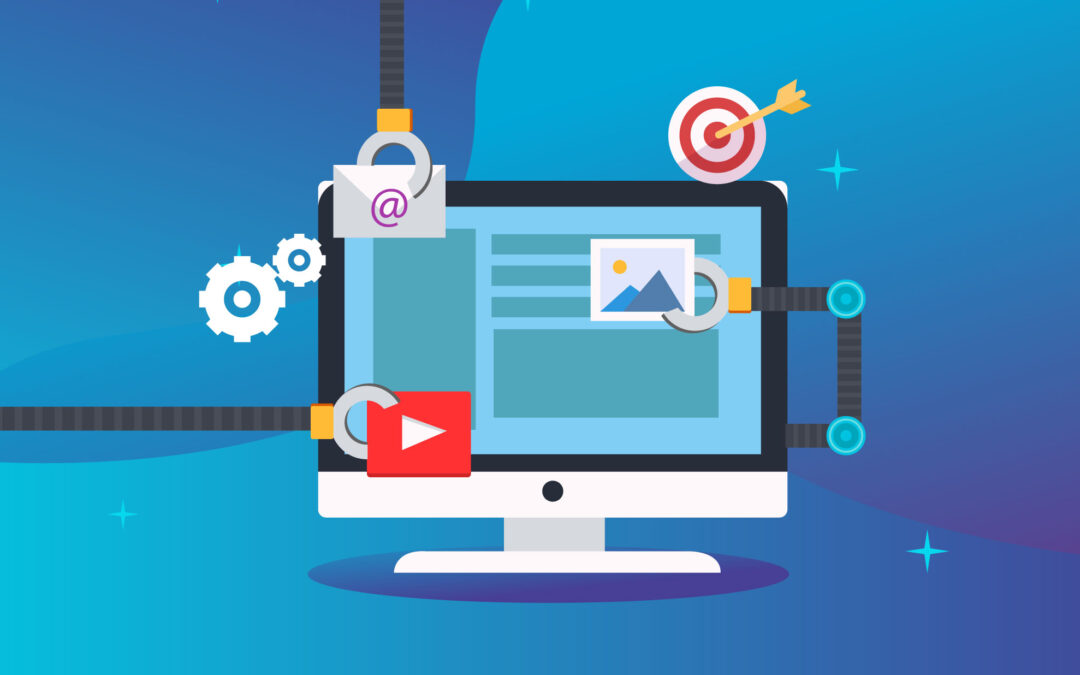

Many companies know the term “marketing automation”. But what, exactly, is it?
In short, marketing automation is this: the digital tools that make marketing simpler and more effective.
At a broader level, marketing automation refers to the software that makes every part of a marketing campaign – such as emails, social media, blog posts, web pages and more –easier, more effective and less time-consuming to produce. In other words, marketing automation software lets companies easily create strategic, creative campaigns that get real results.
In business today, customer expectations are higher than ever. Buyers expect consistent, one-on-one cross-channel journeys and a connected, cohesive customer experience. One of the main purposes of marketing automation is to help companies get this right with every customer, every time. In other words, by delivering the right content, at the right time, to the right people.
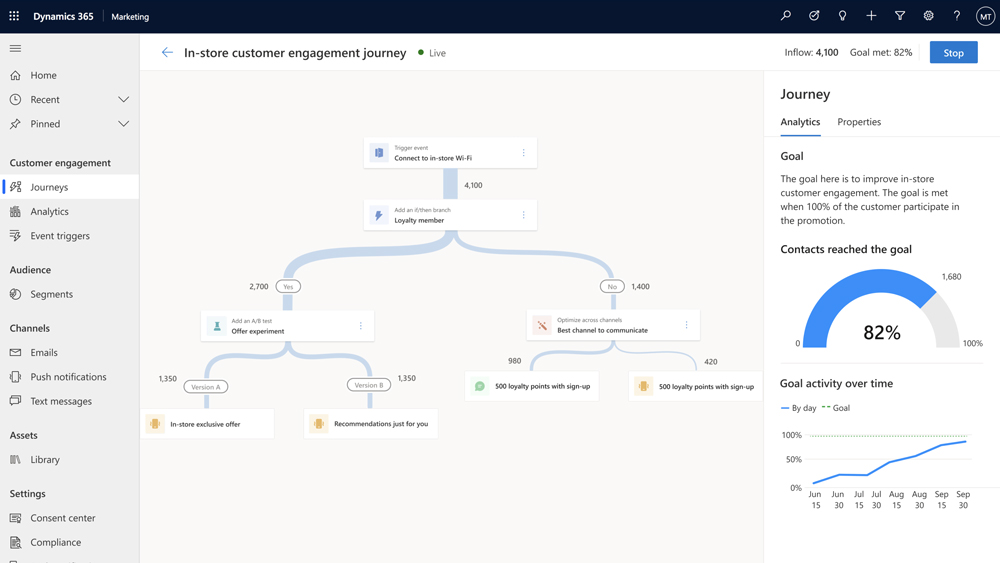
Industry leaders in nearly every vertical use marketing automation to help drive their businesses forward, connect with their customers, and boost brand loyalty. But does every business need it? Here are some of the benefits:
Here’s a quick set of questions to answer about your business.
If the answer to any of these questions is no – or you find your marketing teams spending excess time getting the answers to these questions – marketing automation could be the answer you’re looking for.
Want to find out more? Chat to us about Dynamics 365 Marketing. Packed with tons of new features and capabilities, it’s the leading tool for driving effective, streamlined marketing campaigns in any industry.
Win customers and earn loyalty
The page you requested could not be found. Try refining your search, or use the navigation above to locate the post.
And that’s just part for the lunchbox of new tech reveals at Microsoft Inspire 2021.
Microsoft recently held its annual Inspire conference – the tech giant’s annual release of all that’s new and innovative in the world of Microsoft. Here’s a quick rundown of 2021’s biggest announcements.
They go together like PB & J: Teams and Dynamics 365

You never know, but “What was life like before Microsoft Teams?” is a question your kids just might ask you someday! With hundreds of millions of daily users around the globe, Microsoft Teams has rapidly established itself as the number one way to keep connected.
To ensure this nifty tool continues to lead the way in business, Microsoft recently announced new innovations and integrations to make Teams even more powerful … along with some other great tech updates that make its product suite one of the most comprehensive and versatile around.
PB and J. Tea and crumpets. Chips and tomato sauce … Some things just go better together. You know it’s true, and Microsoft knows too. That’s why, in 2021 and beyond, Microsoft’s major goal is to support the future of hybrid, collaborative work with Teams.
Going forward, Microsoft Dynamics 365 will work even better together, delivering new ways to exchange ideas and information. Thanks to looser licensing restrictions, Dynamics 365 users will now be able to invite anyone in the company to collaborate on customer documents within a Teams channel or chat. Sales teams will be able to share key info across sales opportunities, customer relationship health, customer history, and more. Users of Dynamics 365 will also be able to add Teams meetings when creating appointments, allowing access to information within a Teams call.
In short, all Teams customers will now receive access to Dynamics 365 data in Teams at no extra cost! The integration will boost productivity for customers and eliminate silos between collaboration and business processes for easy, intuitive way to do business.
Opening the doors to new partnerships: collaborative apps

At Inspire 2021, Microsoft also announced that new apps from companies like SAP Sales Cloud, Atlassian Confluence, ServiceNow, Salesforce, and Workday are coming to Teams. That will mean new opportunities for powerful integrations as well as simplified experiences for IT admins to purchase subscriptions and apps from the Teams admin centre directly. Welcome to a whole new world of functionality from some great ISVs.
Did you say Windows 365?

Inspire 2021 also saw the announcement of Windows 365 – yes, you read that correctly. The solution will give users the ability to connect data, apps, and settings from any endpoint and device. This will mean you can bring collaborative apps, Dynamics 365, Microsoft Teams, and security or identity credentials with you wherever you go.
Viva, Microsoft Viva

Microsoft also announced new upgrades to Microsoft Viva, including the arrival of Viva Partner Integrations, with a host of content providers to choose from, including Qualtrics, Workday, and many others. Viva Learning APIs will also be available later this year to allow developers to integrate content from learning providers, as well as assignments and due dates.
Empowering partners

In 2021, Microsoft is also empowering partners with new security offerings to improve sustainability, accessibility, and inclusion. For example, Microsoft 365 Lighthouse is now entering preview to provide managed service providers with a central location for security management, while add-on app governance functionality has been added on to the App Security environment.
From new ways to use Teams to opening doors to partnerships with new software providers, Inspire 2021 is paving the way for a new age of digital transformation and hybrid work. We’re super excited by the changes and looking forward to seeing what comes next.
Empower your business today.
The page you requested could not be found. Try refining your search, or use the navigation above to locate the post.


Markets are changing constantly. Buyers are too. That’s why the technology you use to reach, engage and connect with your customers needs constant evolution.
With its new round of updates, Dynamics 365 Release Wave 1 2021 will help you power better, deeper experiences, simpler, more effective campaigns and more exacting, precise customer insights. Here’s what’s new and exciting.
Your customers are constantly on the go. And an opportunity to sell can appear – then fade out – almost instantly. Now, you can make the most of every opportunity by tailoring specific journeys to respond to what your customers are engaging with in the moment – such as visiting a store – or other events in their lives. It’s a powerful tool helping to make sales more proactive than ever.

The marketing content that works best for one buyer may not be right for another. With the power of AI, you can tailor every aspect of the customer journey to every individual. Specifically, by creating engaging content using enhanced AI that responds to a 360-degree understanding of the customer, you can make sure every buyer sees the content that works best for them.
For example, Dynamics 365 new enhancements enable:
And more.
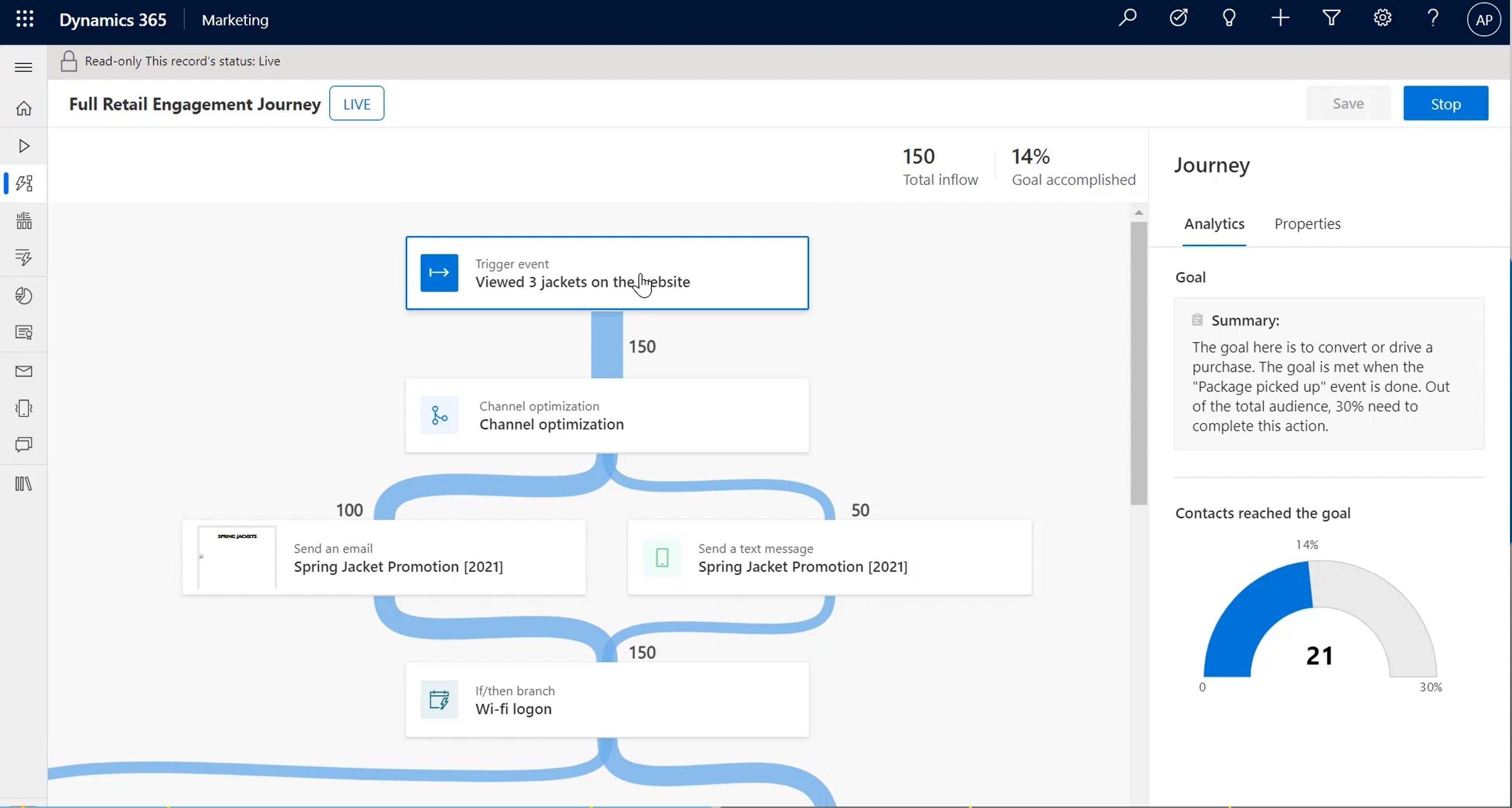
The Wave 1 release also sees the creation of more channels, and greater ease and power to reach your customers with the right messages.
The updates allow you to:
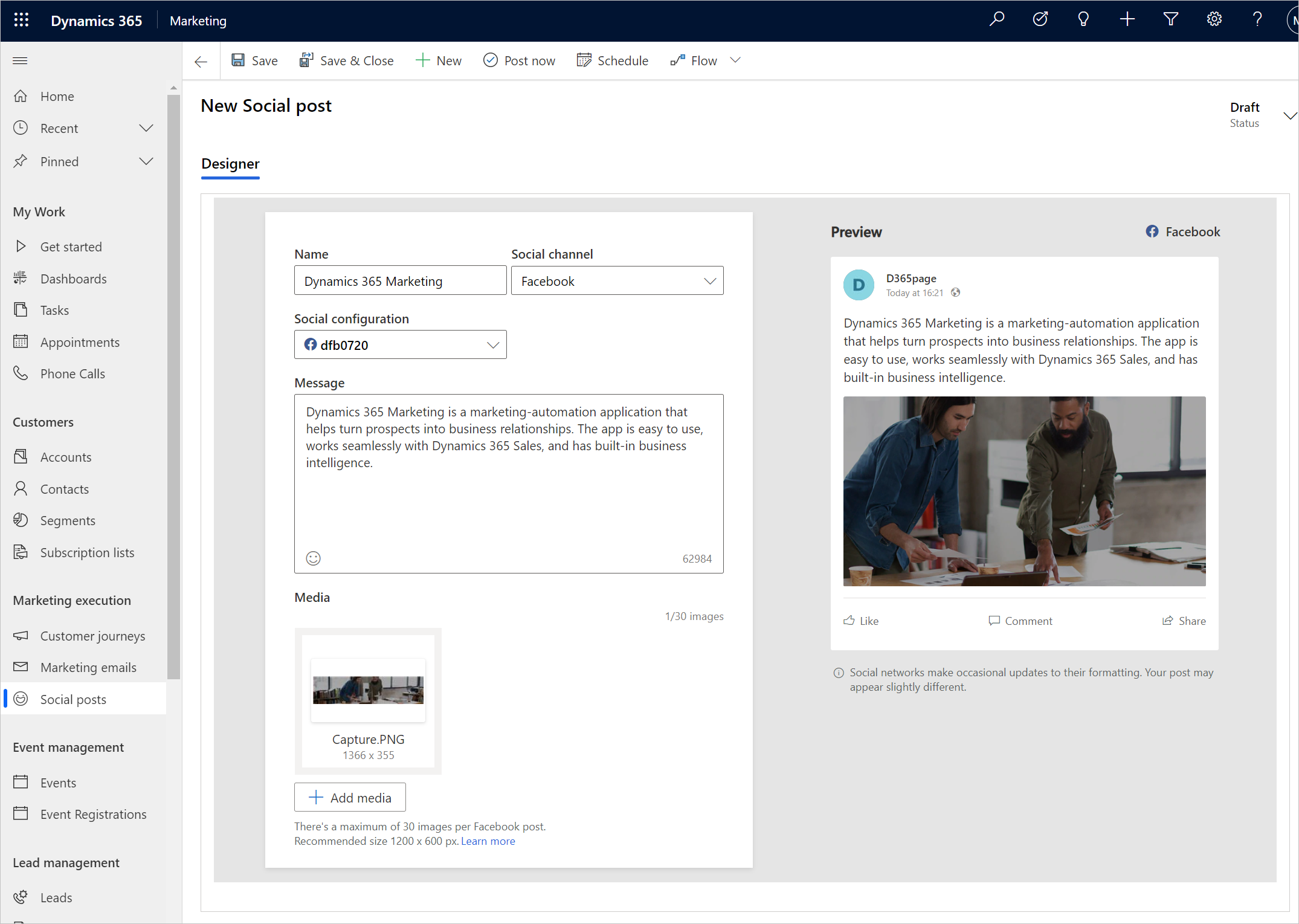
Many marketers spend a large chunk of their time creating engaging emails. That’s why the email editor was redesigned to make it easier to create better emails faster. Discover:
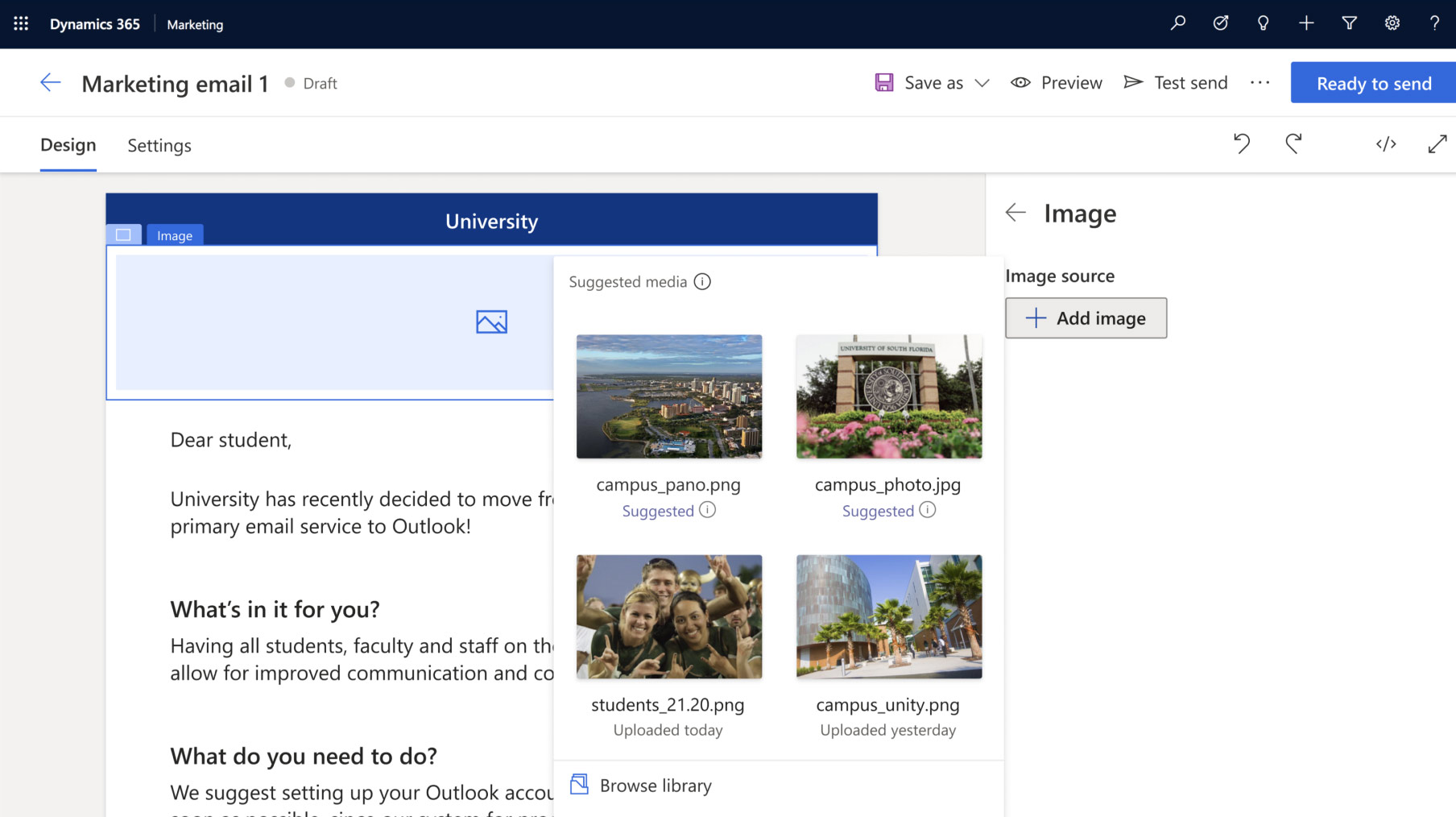
Whether you choose to create a webinar in Teams or Dynamics 365 Marketing, both approaches are just as easy and intuitive – and fully connected. With the power of Dynamics 365 Marketing, you get total control over your live events. Plus, you are one click away from collecting all that rich engagement data and following up effortlessly.
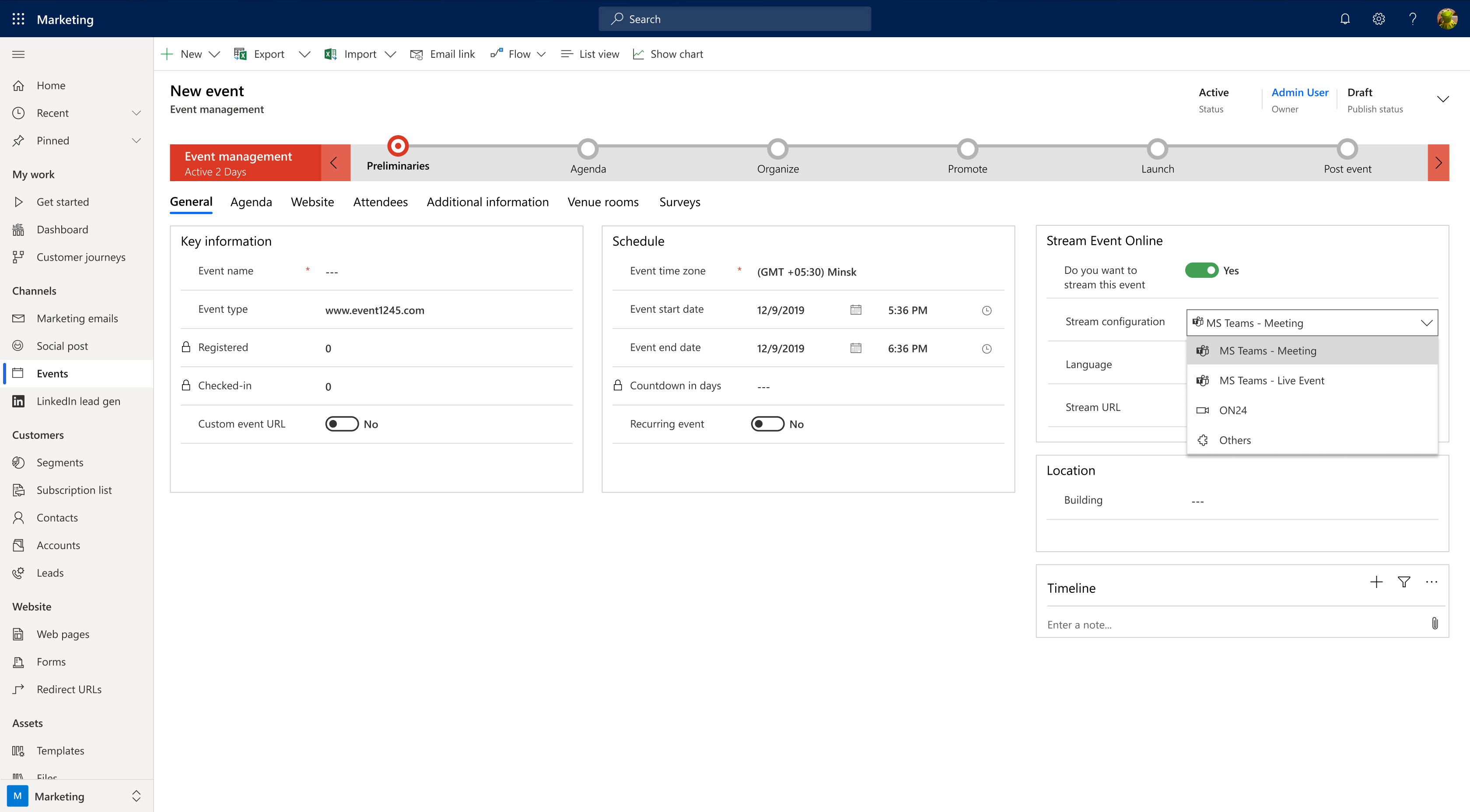
All this and more is possible with the new Dynamics 365 Marketing. Want to learn more?
Chat to us today to learn how to put these new features to work in your business.
Win customers and earn loyalty
The page you requested could not be found. Try refining your search, or use the navigation above to locate the post.
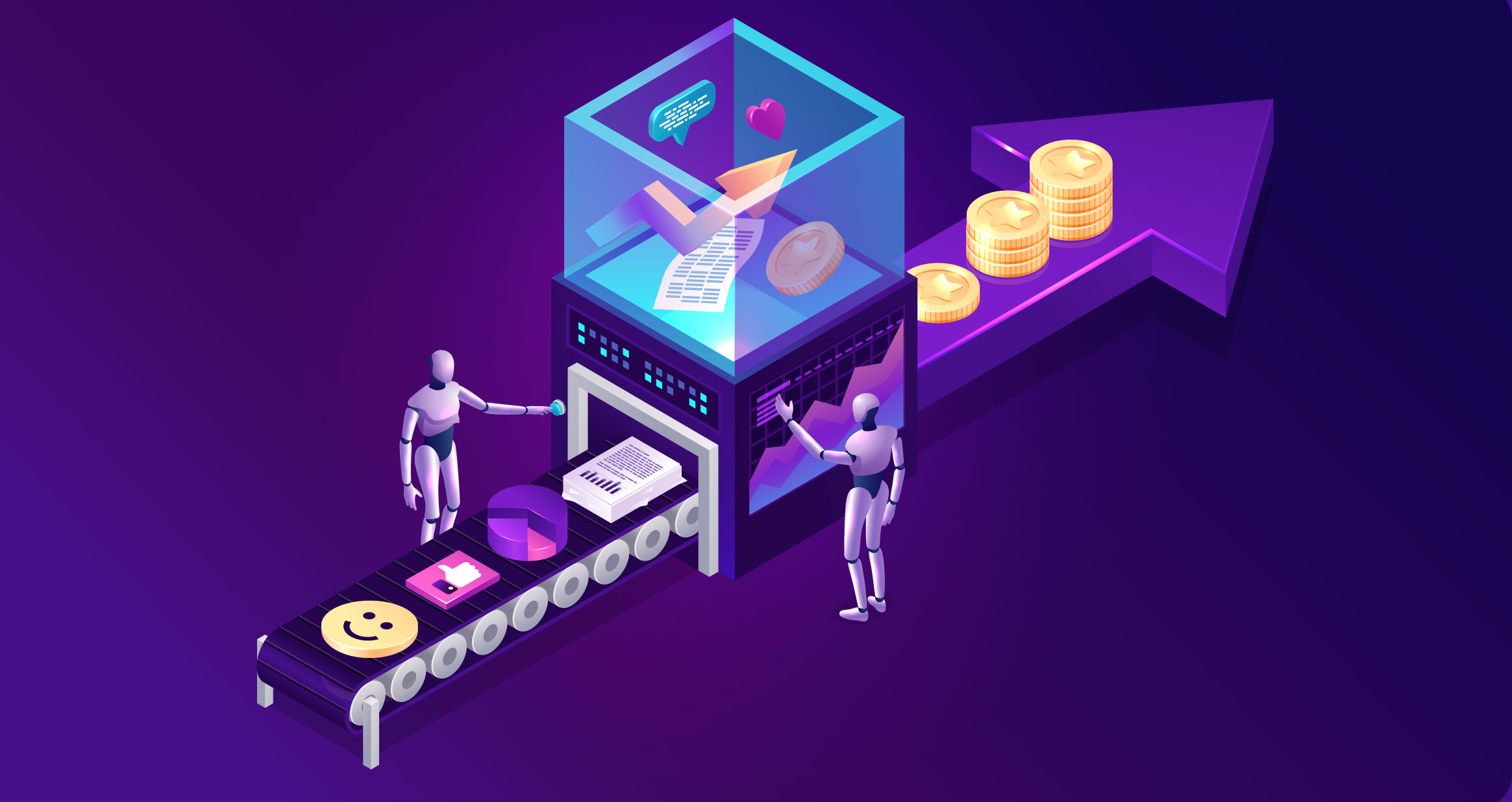
In a nutshell, marketing automation refers to all the digital tools that help marketers reach customers more efficiently, effectively and scalably. But what are the real differences between business that use marketing automation and those that don’t? We broke it down.
Marketing automation means fewer people can effectively do the work of more. How? By helping marketers to be more efficient. The reason: with marketing automation software, almost no time is spent on repetitive “busy work” such as manually creating emails or responding to certain triggers. Imagine a world in which one employee has the same output and effectiveness as a team of 25.
One of the most powerful benefits that marketing automation offers marketers is the ability to reach customers in a personalised way – both online and offline – at scale.
Whether via phone, text, push notification, email and more, marketing automation makes it easy to deliver targeted messages to your customers at the right time, with zero hassle.
Without marketing automation, running targeted, multi-channel campaigns at scale is almost impossible.
There’s only so much time in a day. That’s why, traditionally, marketers test assets such as emails and landing pages only a handful of times before deploying them – and then leave it at that.
Marketing automation tools change everything. Suddenly, you can easily run ongoing A/B tests. That means constant feedback on performance and the ability to constantly iterate, change, and tweak, for optimal performance.
When using fragmented tools and platforms, reporting on marketing campaigns’ effectiveness can be time consuming and error-prone.
With marketing automation software, everything is simplified – summarised in a single place, no matter the channel. Suddenly, insights are available at a snap of the fingers.
Better yet, marketing automation platforms provide a bird’s-eye view of the entire marketing process. That helps reveal areas of drop off and complication easily, so you can fix problem spots quickly.
Do you know who your customers are? Do you fully understand their wants, needs and desires?
The best marketing automation tools use clever analytics and AI to break down your customers more granularly than would ever be possible otherwise. No matter how many customers you have, you can understand each of them individually, to provide them with the most effective, tailored messaging possible.
When your business has thousands or tens of thousands of leads, keeping track of engagements can be a daunting task. Marketing automation simplifies and streamlines the process, so that no interaction data is ever wasted, lost, or unaccounted for.
As your company expands, your marketing activities need to keep pace. Manual processes are difficult to scale. But automated processes scale instantly to fit as many customers and leads as they need to.
Sales take time and leads need nurturing. With marketing automation software, you can track campaigns’ effectiveness and respond to your prospective customers’ needs effectively at every stage of the buying journey.
In short, marketing automation makes marketing more effective, more reactive, more proactive, more scalable and more personalised. It frees up marketers’ time, so they can focus more on creative, ambitious ways of moving business forward. Finally, it primes companies for growth, as scaling is instant and automatic. No lags and no delays.
All this and more is possible with Dynamics 365 Marketing. Want to learn more?
Chat to us today to learn how to put these new features to work in your business.
Win customers and earn loyalty
The page you requested could not be found. Try refining your search, or use the navigation above to locate the post.

Has your inbox suddenly been flooded with mails all about POPIA, privacy and new legal changes? Ours certainly have been!
Now that the dust has settled a little, we’re posting to clarify any remaining questions you might have, and give you a helpful recap about what POPIA is, and what it means going forward.
Intro to POPIA
On July 1st 2021, South Africa’s new Protection of Personal Information Act (POPIA) came into force. With it, data, privacy and record-keeping requirements changed for thousands of organisations around South Africa. Not only for government entities and large corporates, but SMB’s, too.
In brief, the Protection of Personal Information Act (POPIA) is South Africa’s new data protection law. It’s aim is to protect individuals from harm by ensuring the their personal data is always handled correctly, prudently and with their consent.
To do this, the Protection of Personal Information Act lays out a number of specific conditions for when and how it is lawful for someone to process someone else’s personal information. It also places strict requirements on how that data is safeguarded and used.
What do the requirements include?
The POPIA requirements cover factors such as accountability, processing limitations, information quality, openness, security safeguards, and data subject participation, among others.
Some of the basic principles include:
What is “personal information”?
For the purposes of the act, “personal information” means information relating to an identifiable, living natural person and, where applicable, an identifiable company or other similar legal entity.
Information about age, gender and race, identity numbers, telephone numbers, location information, online identifiers, and personal opinions and preferences are all included in the definition. Personal data on disabilities, physical or mental health, financial, criminal or employment histories are also included.
Who is affected by the act?
Any natural or juristic person who processes personal information – including large corporates and government – are affected. Currently, SMEs are also included.
What steps do companies have to take to comply with the act?
There are various requirements placed on companies by POPIA. Among them are the need to:
At The CRM Team, we’ve always been committed to the strictest client confidentiality and data security protocols. You trust us with your personal data, and we work hard to keep that data secure. With the passage of POPIA, we’re doubling down on that promise, to ensure your personal information is always used appropriately, transparently and in accordance with the applicable laws.
If you have any further questions about POPIA or want to get your business compliant, feel free to get in touch.
The page you requested could not be found. Try refining your search, or use the navigation above to locate the post.


In the competitive world of business today, customers expect a lot from businesses. Not only do they demand high-quality goods and services but they want high-quality experiences to accompany them.
Customer insights are the tools forward-thinking businesses use to make sure every aspect of their business delivers on customer expectations. This spans everything from core products and services to the sales cycle, after-sales service, marketing activities and more.
At a basic level, customer insights are the ways companies use and interpret customer data, behaviours, and feedback to improve product/service development and enhance customer support.
They are crucially important because they not only help businesses serve their customers better, but they help businesses understand customer behaviour when it comes to purchasing decisions. By understanding how customers think and feel, what their goals and preferences are, and what they’re looking for in the brands they use, companies can make a genuine difference in customers’ lives and be rewarded with loyalty and growing revenue.
At a practical level, customer insights can help brands answer key business questions such as:
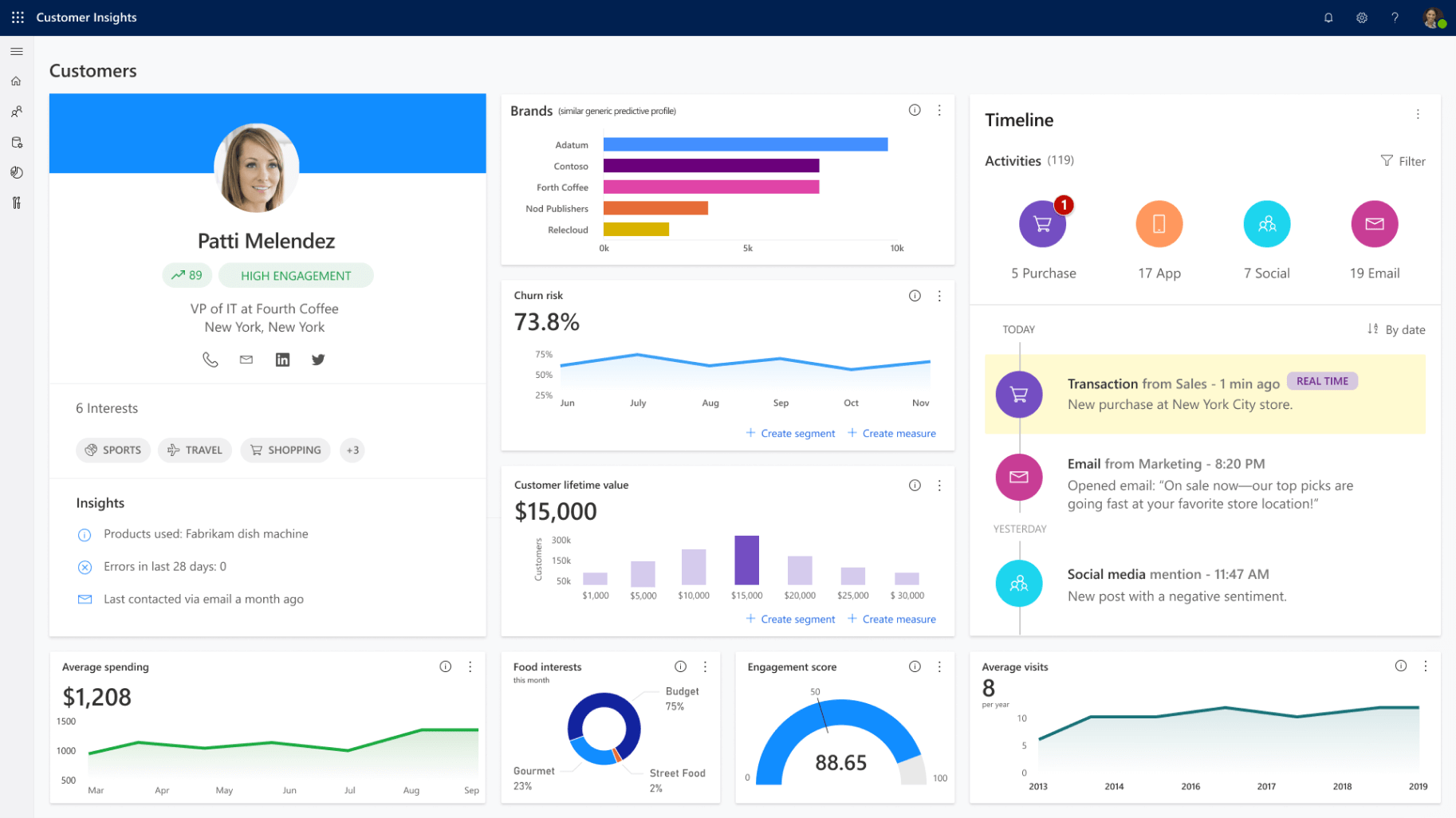
Gallup research shows that organizations that leverage customer behavioural insights outperform peers by 85 percent in sales growth and more than 25 percent in gross margin. And according to Microsoft, “A moderate increase in customer experience generates an average revenue increase of $775 million over three years for a company with $1 billion in annual revenues.”
Benefits of using customer insights
By using customer insights to inform strategic and tactical decisions, you can develop deeper relationships with your customers, better understand the connected customer, and generate meaningful and quantifiable results. Other benefits of using customer insights include:
Tapping into Customer Insights
With Microsoft Dynamics 365 Customer Insights, you can leverage leading technology to better understand your customers and drive your business forward.
Customer Insights allows you to:
And more.
If you’d like to find out more about how to leverage Dynamics 365 Customer Insights in your business, get in touch with us and we’ll show you how.
Win customers and earn loyalty
The page you requested could not be found. Try refining your search, or use the navigation above to locate the post.


It comes as no surprise that Covid-19 has been bad for the financial services industry in South Africa. In March 2021 Standard Bank reported a 51% decline in profit after tax and in October 2020 Nedbank estimated that their profits would drop by 72%.
In the face of this economic reality, financial services organisations need to be extremely selective as to where budgets are allocated. Never before has it been more important for projects to either improve operations or increase revenue.
We would like to answer this question by looking at two research papers that can help determine the focus areas for financial services for 2021 and beyond.
The first is an analysis from Microsoft in conjunction with Future Digital Finance, CXFS and Insights titled: “Customer experience in the 2021 financial services market”. In the research, it was found that Customer Experience is still a big focus for Financial Services organisations with 86% of organisations either maintaining their CX budget (48%) or increasing it (38%). It was also found that for the 41% of researched organisations that the CX budget amounted to roughly 50% of the overall budget.
So where is this budget being allocated within CX? The top three priorities were found to be: “Leveraging customer data for real-time personalization at the branch level”,“Creating a unified customer experience across physical and digital channels” and “Creating more digital self-service options for customers”.
This identified both the importance of the continued digital transformation of financial services as well as the ever-increasing value of data.
The second piece of research that we would like to highlight is a 2020 study by Accenture titled:“Making digital banking more human”.
This research showed that the unprecedented circumstances of 2020 added to the rapid uptake of digital banking. This is to be celebrated but it also leads to the threat of increased commoditisation and jeopardisation of trust. Why? It again comes down to data. On one hand, there is the use of data to differentiate financial service engagements. On the other, customers need to trust financial services organisations with increasing amounts of their personal information.
We have seen from the above research that data has become the new oil for financial services organisations. Of course, the drive to attain a single view of the customer has been something financial services organisations have been working hard to do for decades. In response, Microsoft has identified this as an area of importance and has introduced a solution: Microsoft Customer Insights.
As a technology solution, Customer Insights is state-of-the-art. It is developed as a pure out-of-the-box Software-as-a-Service (cloud) solution, it is easily configurable and extensible, and it can be embedded directly into your CRM of choice. With over 300 pre-built connectors, it can plug into data sources.
From an implementation perspective Microsoft Customer Insights can be implemented in weeks – not the months and years of traditional Customer Data Platform solutions. It is also run by business, often marketing, instead of being controlled and managed by IT.
From a financial services perspective, Microsoft Customer Insights provides the ability to personalise and tailor your products and interactions, to gain a competitive edge and optimise your engagements. Attaining this single view of the customer will give you near real-time insight into your customer, enabling you to get more revenue from marginal customers and even more from engaged customers.
Sasfin Wealth embarked on a technology drive with a focus on client experience. In order to provide a digital experience that added real value, they found that they needed to develop a deeper understanding of their clients’ interests, needs, wants and preferences.
Alex Elsworth, Chief Technology Officer at Sasfin Wealth, notes:
‘Our value proposition lies in the personal service and attention which we apply in managing our client portfolios. As a business philosophy, client relationships, client-orientated processes, client retention and superior client value are core to our offering.’
Both strategic and customer-focused elements were key parts of Sasfin’s CRM journey. The company wanted a central view of Wealth client information and the ability to track client interaction effortlessly. Essentially, Sasfin Wealth wanted to bring its ‘hands on’ client experience into the digital age.
‘During our research and evaluation, the Microsoft Dynamics 365 solution proved to be the platform that would best suit our needs and requirements,’ notes Tinus Verster, Wealth Technology Strategist at Sasfin. ‘Microsoft Dynamics 365 has the capability to integrate into existing backend systems. It is key to our digital strategy.’
Are you ready to start?
Are you ready to transform your data?
The page you requested could not be found. Try refining your search, or use the navigation above to locate the post.


You know your business from the inside out. But what about from the outside in? Do you know how your customers experience your business? What they feel about your products and services? Whether your customer service works for them? Do you know how you could serve them better?
Many companies use analytics. But few use it as meaningfully as they could. An even smaller proportion use customer insights meaningfully. Yet by developing a deep understanding of how customers experience a product or service – how they feel about it, what they want, need, and desire – can make a massive difference to the present and future of every business.
With the right data, companies can take their businesses from good to great – or from great to amazing.
Here are some of the was you can leverage customer insights in your business
By understanding your customers’ wants and needs, you can reach them with messaging that they appreciate, understand and remember. If you’ve been frustrated by so-so marketing results, chances are your messaging is off. Or, you might be trying to reach the wrong people altogether. By knowing who you’re talking to, you can craft the kind of messages that matter.
Many businesses’ customer journeys are long and complex. Do they have to be? If the answer is no, customer insights can help businesses find new ways to simplify and streamline the customer experience. If the answer is yes, customer insights can help too – pointing out areas of frustration, drop-off and more, so companies can create the experience that works best.
Many new products and services fail. The reason is: customers don’t know about them, don’t want them, or don’t find them valuable. For any company thinking about a new product or service launch, customer insights can help answer key questions such as: whether customers feel a need for the new product; how they could imagine the product fitting into their lives; and what core wants/needs/desires the new product can help fulfill.
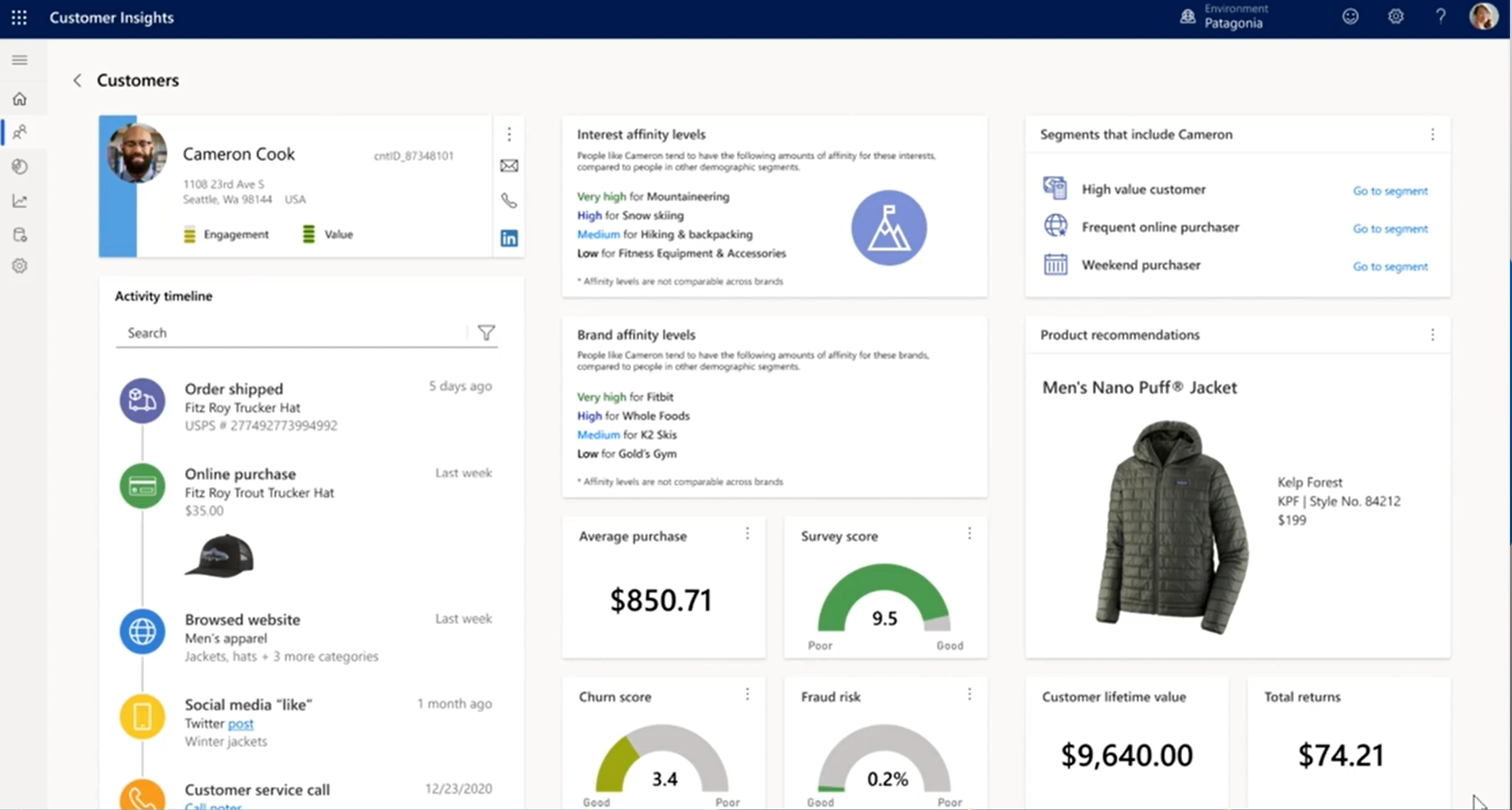
To make the most of customer insights data when trying to answer key business questions, it’s important to start out with a few points in mind.
Why Dynamics 365 Customer Insights works so well
Dynamics 365 Customer Insights was designed to make it easy to get every piece of customer information you have to work for your business.
With Dynamics 365 Customer Insights, you can:
And more.
To learn more about how Dynamics 365 can make a difference in your business, get in touch with us today.
Win customers and earn loyalty
The page you requested could not be found. Try refining your search, or use the navigation above to locate the post.