No Results Found
The page you requested could not be found. Try refining your search, or use the navigation above to locate the post.
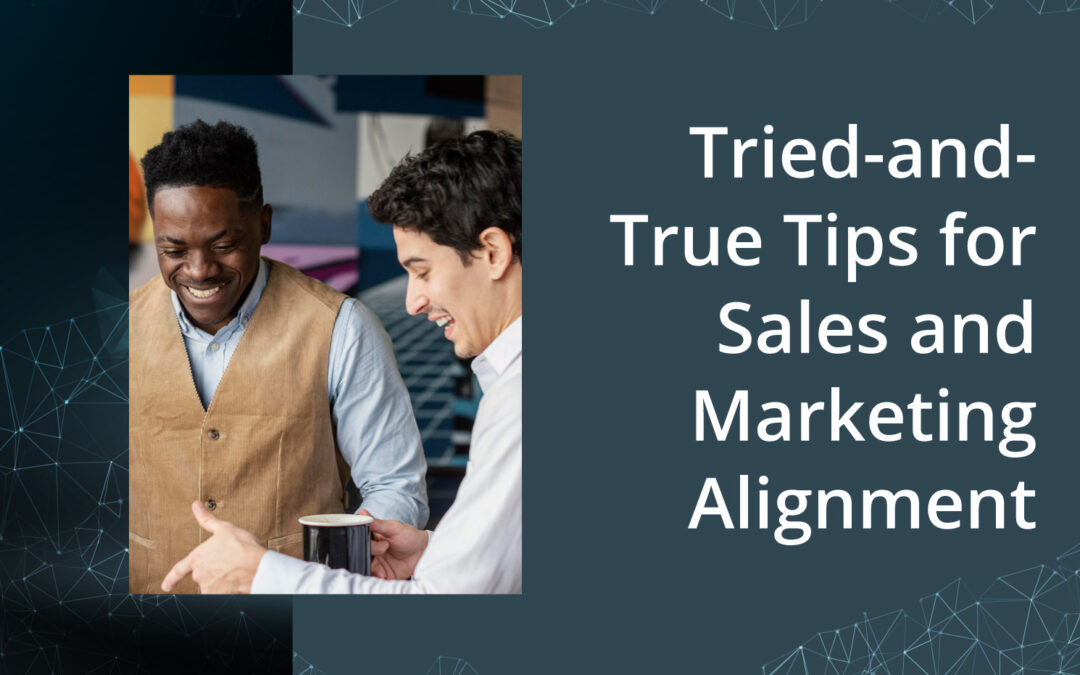
Sales and marketing alignment, or “smarketing” as some like to call it, is essentially getting these two teams to cooperate as one; working towards a common goal – generating and increasing revenue in the long run.
Think of your business as one big family. As with real families, there are usually two or more relations (like siblings) who are constantly bickering, and in this instance, Sales and Marketing can be considered the corporate siblings.
Aligning these two teams is an opportunity to grow your business. As a sales or marketing manager (or parent in this instance), it can be frustrating to constantly try and keep the peace between the two teams, especially when your time could be better spent on more productive tasks.
Getting these “siblings” to collaborate and listen yields a brand new invention – or simply creates a much more harmonious working environment. Which in turn leads to a healthy impact on organisational growth (see more on this infographic by Wheelhouse advisors).
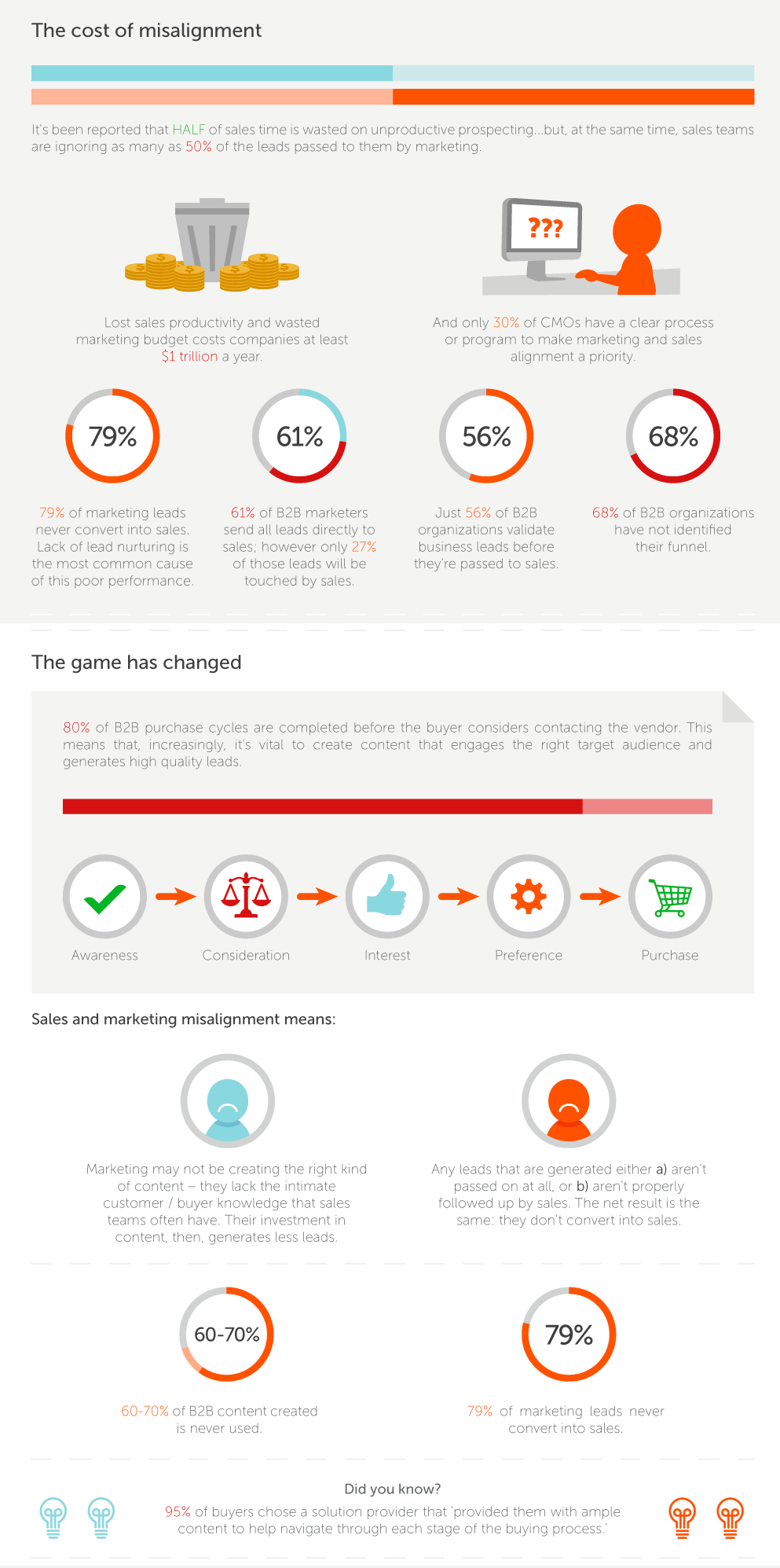
Did you know that $1 trillion of revenue is lost annually due to marketing misalignment?
Let’s explore some ways on how to better align your marketing and sales teams.
Sales and marketing teams are often siloed through different offices, technologies and goals. By (literally) breaking down the walls between these two teams, you can combine the sales and marketing funnels into one process for both teams. How? With Microsoft Dynamics 365 for Sales and Marketing. Both of these software solutions are based on the same platform so that both teams can share and access data and business processes – simplifying the alignment between sales and marketing teams.
As the leader of your team, you should practice what you preach. Openly praising (or criticizing) another team in front of your own will set the precedent for them to do the same. Small, simple ways to start the alignment process are by giving credit where it’s due; openly collaborating with other team leaders and carrying their contributions back to your own team. When your team sees your cooperation with the other, the effect will trickle down.
Another way to align the sales and marketing teams is to simply communicate with one another. It can be as quick as grabbing a coffee together or through scheduled meetings. This essentially helps the team gain in-depth knowledge of one another’s challenges. Attending meetings together lets teams know how each one is doing with their goals and how they can support one another. For example, the marketing team can share what content they’re creating and promoting, while the sales team can help marketing improve their lead-generating skills.
In order to generate strong quality leads, both the marketing and sales teams need to align on what the ideal client looks like. If this is not clear, marketing campaigns could be skewed and sales will waste time chasing misinformed leads. Assessing your buyer persona together ensures more accurate marketing campaigns and higher close rates for the sales team, and ultimately increased revenue. A win for everyone!
Smarketing needs to head toward the same goal with the same coordinated messaging, and as long as each department is doing this, everyone will be aligned. Keeping an open feedback loop to ensure everyone is on the same page is imperative to achieving alignment and organisational growth. For example, should a prospect or customer ask for content that doesn’t exist (yet), there should be a simple way for marketing to receive this nudge and add it into their content strategy. Similarly, sales should ensure they’re using defined brand tone/messaging when prospecting. This type of open communication drives improvement across both teams.
Though it may seem to be the most obvious route to alignment, motivation hardly seems to be the first thought that comes to mind. By motivating everyone on your team – from the CEO to the new intern – you’ll get a better understanding of the financial value of their work.
Creating similar KPIs and goals is a great way to align smarketing. Having the same goal gets both teams working and strategising together, providing a more holistic approach to marketing. This also creates a seamless transition from marketing to sales, preventing broken messaging that could result in losing a potential lead. When conversion rates and lead value is measured and influenced by both teams, this would be a great key performance indicator (KPI) smarketing can work towards.
There will naturally be different KPIs for each team and colleague, but for true smarketing alignment, there needs to be a general understanding of what each team wants to achieve and how they can work together to achieve it. Perhaps it comes down to the sales team reducing the number of touchpoints between converting a lead to a sale. By collaborating with the marketing team, they can create succinct workflows that allow leads to pass between marketing and sales, as and when necessary.
So, there you have it – tried and true tips for aligning your sales and marketing teams; these tips should help your teams get along effortlessly. But remember, implementing the same tools such as Microsoft Dynamics 365 for Sales and Marketing, having the same processes and aligning your goals is key. When one team is working with leads from the other, data can get lost on both sides and teams can’t see where the lead originated from, track its progress or provide feedback on trends surrounding these leads.
Now that there’s virtually nothing holding you back, see what you can do to improve smarketing alignment today – we suggest starting with a coffee, a chat and Microsoft Dynamics 365.
Transform your business
The page you requested could not be found. Try refining your search, or use the navigation above to locate the post.
(A tribute to the “Trekkies” out there)
When the Enterprise first engages the Borg, Locutus says: “Resistance – is futile. Your life, as it has been, is over… Strength is irrelevant. Resistance is futile. We wish to improve ourselves. We will add your biological and technological distinctiveness to our own.”
Captain Picard’s response? “I will resist you with my last ounce of strength.”
Every organization has its own biological and technological distinctiveness. When we are invited to make changes to this distinctiveness, be sure, we will encounter varying degrees of resistance. It is therefore absolutely essential that we meticulously plan and execute both the project and the people aspects of any systems implementation.
We could engage potential system users with an aggressive “Resistance is futile – you will be assimilated”, but in my experience, the human is an obstinate species and our aggression will be met with a resounding “I will resist you with my last ounce of strength.” In my experience; we are doomed to lose that battle. There is a better way.

Project Management is focused on the Technical aspects of systems implementation, while Change Management is focused on the People aspects. Project Management seeks to design, develop and deliver technology. Change Management seeks to engage users to help them adopt and use this technology to the benefit of their clients, their organization, their team and themselves. Success can only be achieved when we give enough attention to both.
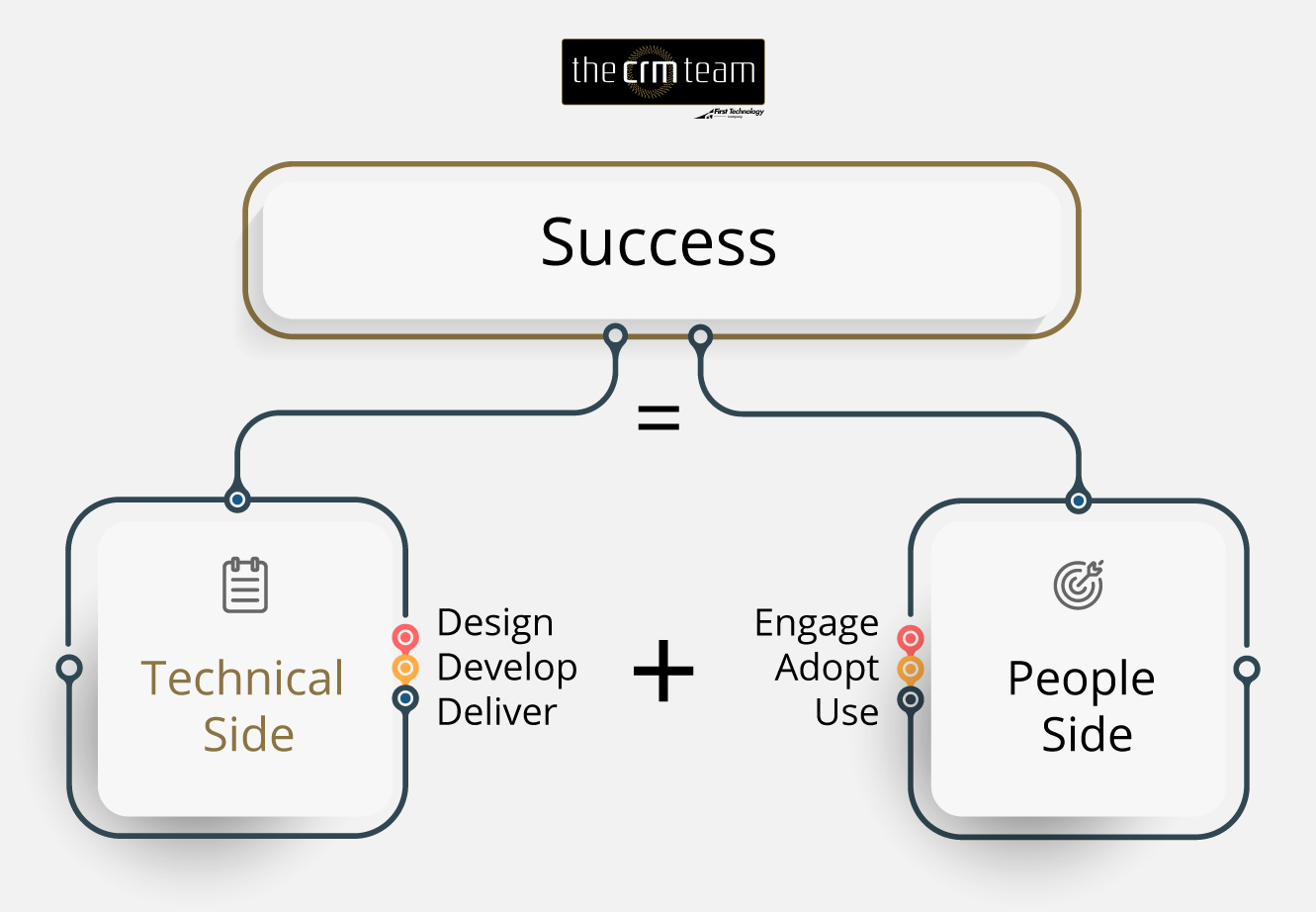
In a recent article entitled “Change Management and Project Management: A Side-by-side Comparison” Tim Creasey – Chief Innovation Officer at Prosci – states: “Each discipline brings the critical structure needed for effectively implementing change and achieving the results you want. Yet, Change Management and Project Management must work together to achieve successful change. Doing so creates a unified value proposition, which sets the foundation for tactical integration and delivers value across all aspects of the project, including both the people side and technical side.”
The bottom line is that there is immense benefit in assimilating these two disciplines. However; this is much easier said than done. You will have to plan your approach carefully and with some degree of agility, knowing that each project will present unique challenges and rewards. Learn to adjust your course on the fly, without losing focus of the milestones and the desired outcomes.
According to merriam-webster.com/dictionary: ”Assimilation refers to the process through which individuals and groups of differing heritages acquire the basic habits, attitudes, and mode of life of an embracing culture.”
Project Management is already a universally accepted discipline for introducing new systems in an organization. Change Management – not so much!
Traditional Project Management approaches often do not account for essential elements like effective communication, sponsorship, coaching, training and resistance management.
It is only when we successfully integrate Change Management disciplines into our Project Management activities that we help the people in the organization to ”understand, internalize and support a change throughout the project’s lifecycle”.
“Research shows that the earlier Change Management is started on a project or initiative, the more likely the project is to meet or exceed objectives.” “… when Change Management is started at the beginning of a project, the activities can be fully integrated.”
The calamitous reality is that Change Management is too often slapped on in an attempt to cauterise the wounds on an already injured and dying project. These wounds are most often inflicted by employees, supervisors and managers resisting the changes imposed on them. The wounds could be in the form of a decline in productivity, point-blank resistance to change, and even a possible loss of valued employees. So; when we stand at ceremony to lay to rest our beloved systems implementation, we cannot help but think that this death was so unnecessary. We could so easily have prevented this tragedy – if only we had acted early.
Having said that – with all the prior hyperbole added merely for emphasis – it is important to add that Change Management can add value even at a late stage in the project. Obviously, the earlier you start with Change Management, the greater the chances of success.
Develop an assimilated strategy where both Project Management and Change Management strategies can be managed in the optimal sequence, to ensure that the users, their teams, the organization and its executives, and customers can derive maximum benefit in as short a time as possible. You would need a good understanding of the Project Management processes and the Change Management process. Then begin to merge the stages and steps to create a hybrid process that works for your team and your customers. Good luck.
It might not be an easy or enviable task, but it will not do itself. To quote the great body-builder, Ronnie Coleman, just before attempting to lift 800 pounds with his legs: “Ain’t Nothing To It, But To Do It”.
You might instinctively resist the call to exert all this effort, but might I remind you that “Resistance is futile!”

Mark has been a Microsoft Certified Trainer for many years and has been training Dynamics since CRM version 4.0.
He specialises in Dynamics 365 end-user training and has trained across the UK, Africa, and the Middle East. Mark is proficient in Microsoft Dynamics 365: Sales, Service, Deployment, and Customization & Configuration.
The page you requested could not be found. Try refining your search, or use the navigation above to locate the post.
Microsoft continues to evolve its partner program and will be rolling out a new Microsoft Cloud Partner Program. This change reflects the vast transition of business operations to the cloud, and Microsoft plans to support its partners in the future.
Microsoft is terminating its Silver and Gold competencies, achievements that partners could earn to help differentiate their businesses to customers beyond a baseline partner network membership status.
The CRM Team Head of Delivery Operations, Bertha Musanhu, says Microsoft is simplifying its partner programs with solutions partner designations, anchored on the Microsoft Cloud in six solution areas aligned to how Microsoft goes to market.
“By attaining these designations, you can demonstrate your organisation’s capabilities in delivering customer success in the solution areas. That’s valuable for you, because it’s where we see customer demand, and where the opportunity is for partners to scale to meet customer needs,” she explains.
The Microsoft Cloud Partner Program will be open to Microsoft’s current partners including managed services providers, resellers, systems integrators, independent software vendors (ISVs) and device partners.

The new partner program opens the opportunity to grow and develop as a Microsoft Partner. This model provides two qualifying levels: solutions partner and specialist/expert. The partner designations will be aligned to the six Microsoft Cloud solution areas including:
Musanhu says a new partner capability score will rank partners’ performance and technical skills based on their certifications, new customers, successful implementations and overall growth.
“Microsoft’s new program will be mainly focused on several different areas: Azure data and AI, Azure infrastructure, Azure digital and app innovation, business applications, modern work, and security,” she concludes.
Microsoft continues to invest its partner ecosystem and continues to grow its Azure cloud offerings. These changes to the partner program certainly reflect their cloud-first approach. The new program introduces three levels of competency for partners who demonstrate expertise in the various Azure offerings. This partner status will solidify their authority as Microsoft experts.

Bertha has been with The CRM Team for 5 years overseeing Delivery Operations, she is a Prosci Certified Change Management Practitioner, a Microsoft Dynamics 365 Marketing Functional Consultant Associate and she holds a BCOM in Marketing Degree. She is currently busy with an Advanced Project Management Certification and is equipped to deliver projects using Agile Principles. Her Favorite workplace Moto is “When our Customers Win, We win! ”
The page you requested could not be found. Try refining your search, or use the navigation above to locate the post.
Customer Data Platforms (CDPs) are a modern solution to a modern problem: disconnected customer data. We’re currently living in a world full of data, but data is useless unless you have the tools to interpret it. This is the value that a CDP can bring to your organization. This guide will explain the benefits of CDPs to everyone in your business, with examples from Microsoft Dynamics 365, so you can get ahead with understanding your customer data.
With so many brands, products and services on the market, and millions of new businesses opening each year, customers can become overwhelmed with choice. When multiple organizations offer high-quality products or services, customers begin to pay more attention to how brands interact with them. Customers want to feel recognized, valued, and understood by the brands they interact with and the only way for you to create this feeling is to have data about them. Lots of data.
It would take a long time to manually collect data for each of your existing and potential customers across all platforms, not to mention how resource-intensive it would be. AI-powered CDPs have the capability to collect masses of data, including behavioral data from customer interaction, demographic data, and transactional data. Not only this, but the AI in a CDP can analyze this data for you, creating a unified customer database that can be used to personalize customer touchpoints and increase engagement.
There are three main ways CDPs can help you understand your customers better:
Implementing the use of a CDP in your businesses can benefit all departments but especially the marketing, sales and customer service teams. Marketing teams benefit from the ability to deliver targeted marketing across channels, using content they know is relevant to a specific audience to stand a better chance of a conversion. This in turn raises the company’s marketing ROI.
Sales teams benefit from personalized information on customers such as their loyalty, buying frequency, spending and recent purchases. Sellers can use data like this to optimize sales opportunities by delivering personalized sales engagements.
Meanwhile, customer service reps can view complete profiles for each customer, allowing them to provide proactive support to customers in a way that makes them feel understood.
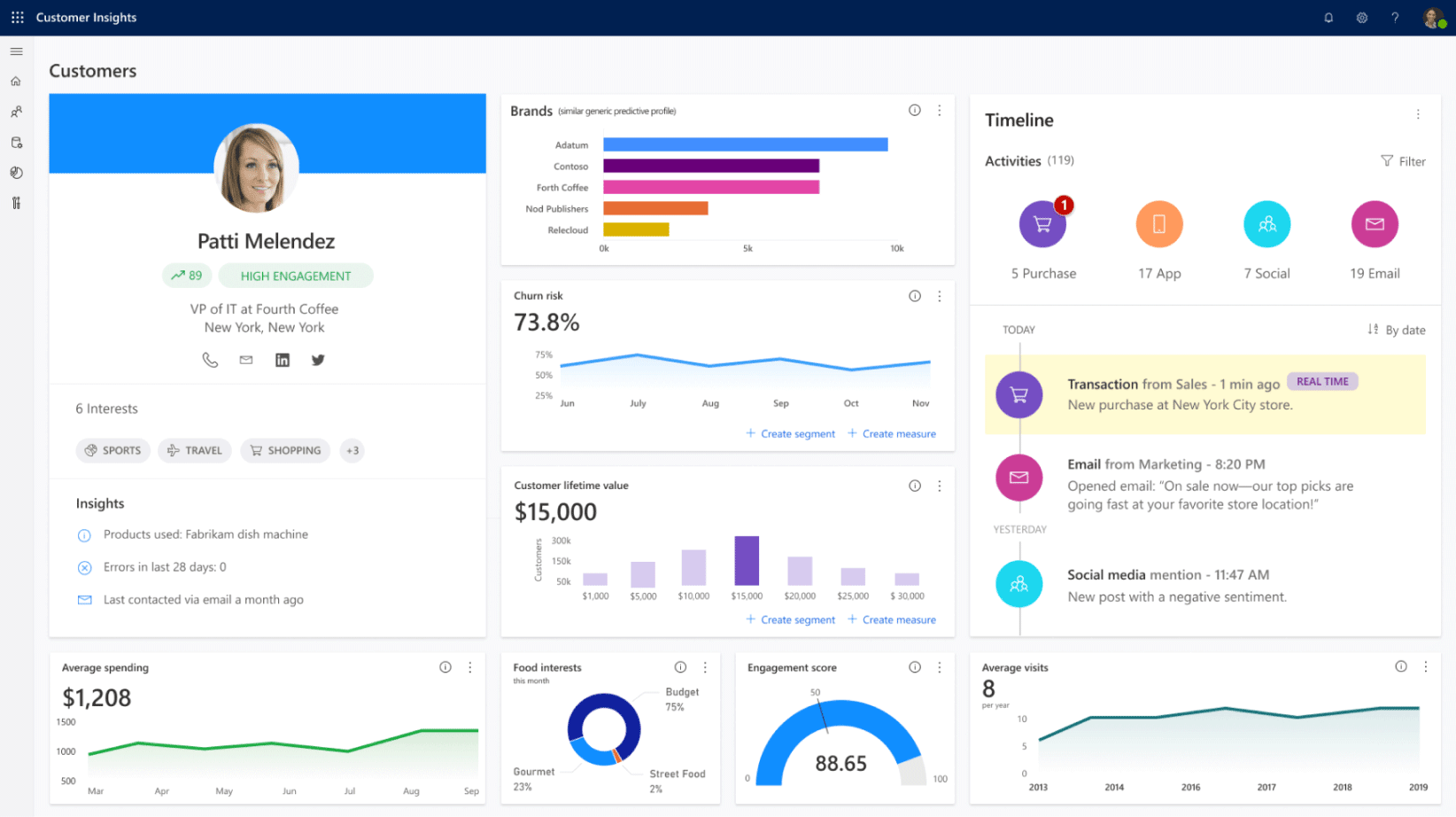
One example of a powerful customer data platform is Microsoft Dynamics 365 Customer Insights. Dynamics 365 Customer Insights provides a single view of customers by connecting data from a full range of sources. In addition, Microsoft’s CDP ensures all data is managed securely and in compliance with GDPR regulations. Its capabilities can be split into Audience Insights and Engagement Insights.
Audience Insights
Microsoft Dynamics 365 combines both B2C and B2B data to generate real-time AI-powered insights that marketing, sales and customer service teams can all use to make informed decisions about customers.
Predict Customer Desires and Needs
Built-in AI and analytics help to predict customer lifetime value and transactional and subscription churn. The same models the CDP uses for these predictions can also identify opportunities for cross-selling and upselling with recommendations of products and services, increasing the value that each customer may bring. The AI makes recommendations for dividing your audience into demographic segments you can target separately, though you can also define your own audience divisions.
AI-powered Insights Deliver Meaning
Marketing, sales and customer service teams benefit from real-time customer data collecting from Dynamics 365 Marketing, Sales and Customer Service. This comprehensive data allows them to deliver personalized journeys to clients across marketing, advertising and engagement platforms.
Deliver Personalization for Your B2B Clients
The Microsoft Dynamics 365 system allows the sales team to shorten sales cycles with unified account profiles, complete with client activities and insights. On top of this, third-party integration means data from other sources can be used to increase the accuracy and quality of leads, while AI models will identify at-risk accounts so you can respond with a proactive retention strategy.
Build Customer Trust
Data itself is a sensitive topic. Customers want to know they can trust brands to keep their information safe. With Microsoft’s customer experience platform, customers are linked to their consent preferences, which refresh automatically so you can honor them easily. It also has tools to easily secure customer data so you can achieve your marketing goals while complying with GDPR and CCPA.
Engagement Insights
The other side of the capabilities of Microsoft Dynamics 365 Customer Insights helps businesses understand customer behavior with cross-channel analytics.
Optimizing the Sales Funnel
Built-in features allow marketing, sales and customer service teams to view how many and what type of customers are moving through each step of the customer journey so that you can optimize your website and mobile app for conversion. These insights can be even more specific with the ability to carry out funnel analysis on different customer segments.
Understand Customer Behaviour
AI-driven insights from your website and mobile help marketing teams understand customer engagement. The system tracks customer behavioral data and creates real-time reports so teams can easily identify patterns and make informed decisions to increase engagement and conversion rates.
With such a comprehensive view of each and every one of your customers, you almost can’t go wrong when it comes to delivering great customer experiences that will keep customers coming back to your brand. Contact us to help optimize Microsoft Dynamics 365 Customer Insights today.
Transform your business
The page you requested could not be found. Try refining your search, or use the navigation above to locate the post.
Businesses constantly face new challenges and the pace keeps increasing. As priorities change and new opportunities emerge, the future of every business depends on how well it can empower its teams to adapt and innovate.
Microsoft recently held its Business Applications Launch Event where it published its release plans for the next cloud update wave across the Power Platform and Dynamics 365. It released hundreds of new features, enhancements, and innovations that will help businesses become more agile and customer-centric.
The CRM Team managing director Wynand Roos warns that competitors are transforming their business models and customer expectations are evolving.
“Businesses need to embrace change and be ready for disruption.”
The 2022 release wave 1 for Dynamics 365 and industry clouds brings new innovations that provide businesses with significant capabilities to transform. The release contains hundreds of new features across Dynamics 365 applications, including Marketing, Sales, Customer Service, Field Service, Finance, Supply Chain Management and Supply Chain Insights.
It also includes Human Resources, Commerce, Fraud Protection, Business Central, Connected Spaces, Guides, Remote Assist, Customer Insights, Customer Voice, and Microsoft Cloud for Healthcare, Financial Services, Sustainability, and Non-profit.
Roos points to some of the exciting releases.
“Dynamics 365 Commerce continues to invest in key B2B commerce scenarios, including sales agreements, on-behalf-of ordering, and partner-specific product catalogues and pricing. This release also introduces customer segmentation and targeting with Dynamics 365 Customer Insights, and out-of-the-box A/B experimentation and analytics tools. The new Store Commerce app streamlines point of sale deployment and servicing while improving performance,” he explains.
More importantly, he says new workflows in headquarters, bulk image upload, and manifest-driven upload simplify the management of media assets across channels.
“Customer service functionality is easily enabled on customers’ e-commerce sites with Power Virtual Agents and Omnichannel for Customer Service.”
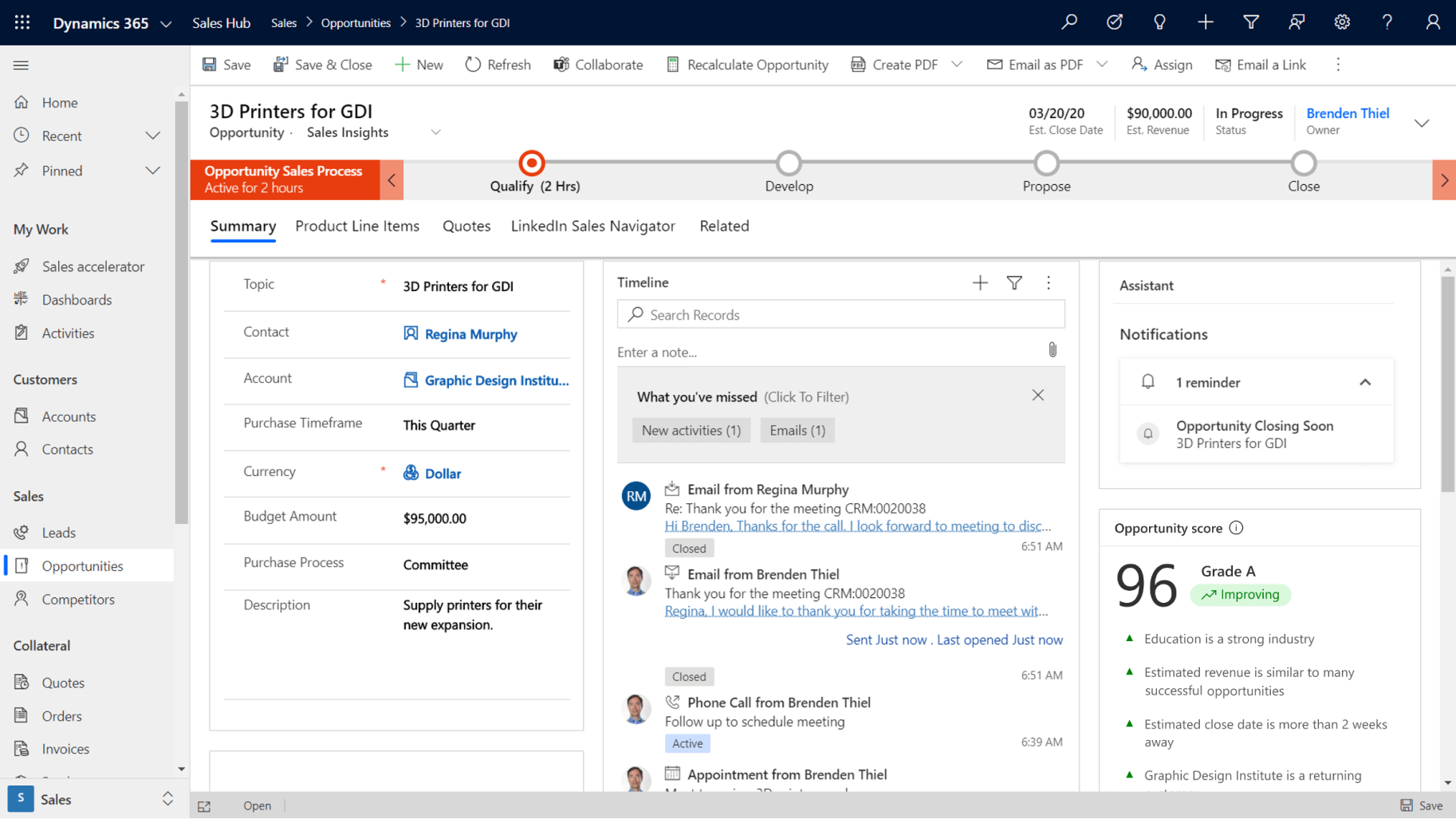
Dynamics 365 Sales focuses on enabling sales professionals to harness the power of data and intelligence which will help them to forecast, compare annual projections, and measure performance using predictive scoring.
“Sellers can collaborate using Teams from within Dynamics 365 to accelerate their pipeline, while managers can track team performance and provide coaching to increase customer satisfaction. Our goal is to help the seller close more deals, faster, while being as productive as possible,” he adds.
Dynamics 365 Marketing is empowering Marketers to leverage the power of data and AI in order to improve marketing content creation and delivery. Make every interaction count, by responding at the right moment with new event triggers based on data changes in any Dynamics 365 app.
Marketers can now take action from journeys in more ways, using no-code conditional text to easily personalise content and taking immediate action on SMS replies through personalised experience based on responses using custom keywords.
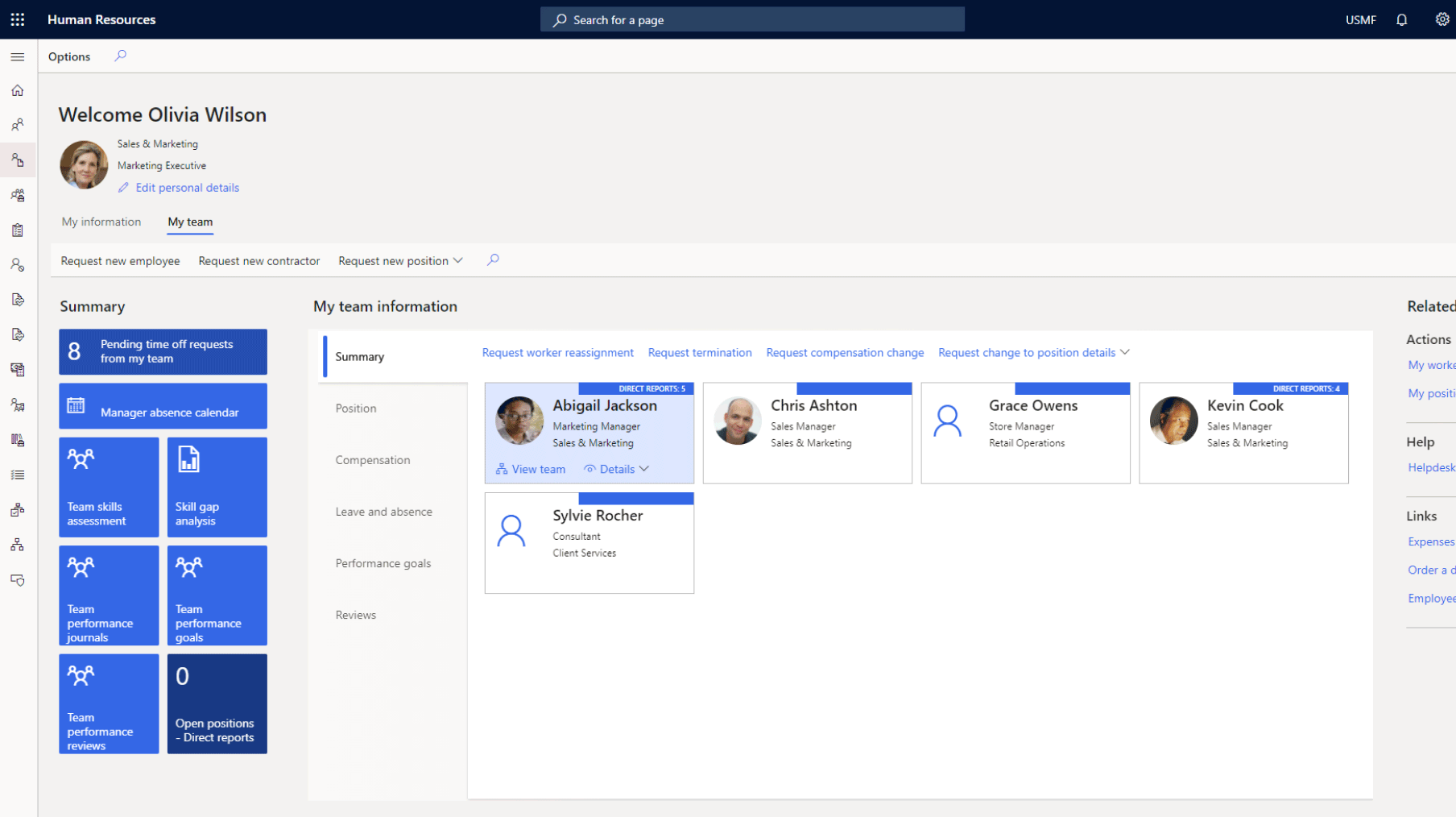
Dynamics 365 Human Resources will equip HR professionals with the ability to tailor experiences and automatically complete processes when employees are joining, leaving, and moving within an organisation. Intelligent talent management capabilities enable companies to understand the skill set gaps to ensure the right people are in the jobs and to plan for future investments.
On the security front, Dynamics 365 Fraud Protection is delivering new capabilities that allow operators of payment service providers to offer fraud protection as a service to their businesses, including those that have a multi-hierarchy business structure.
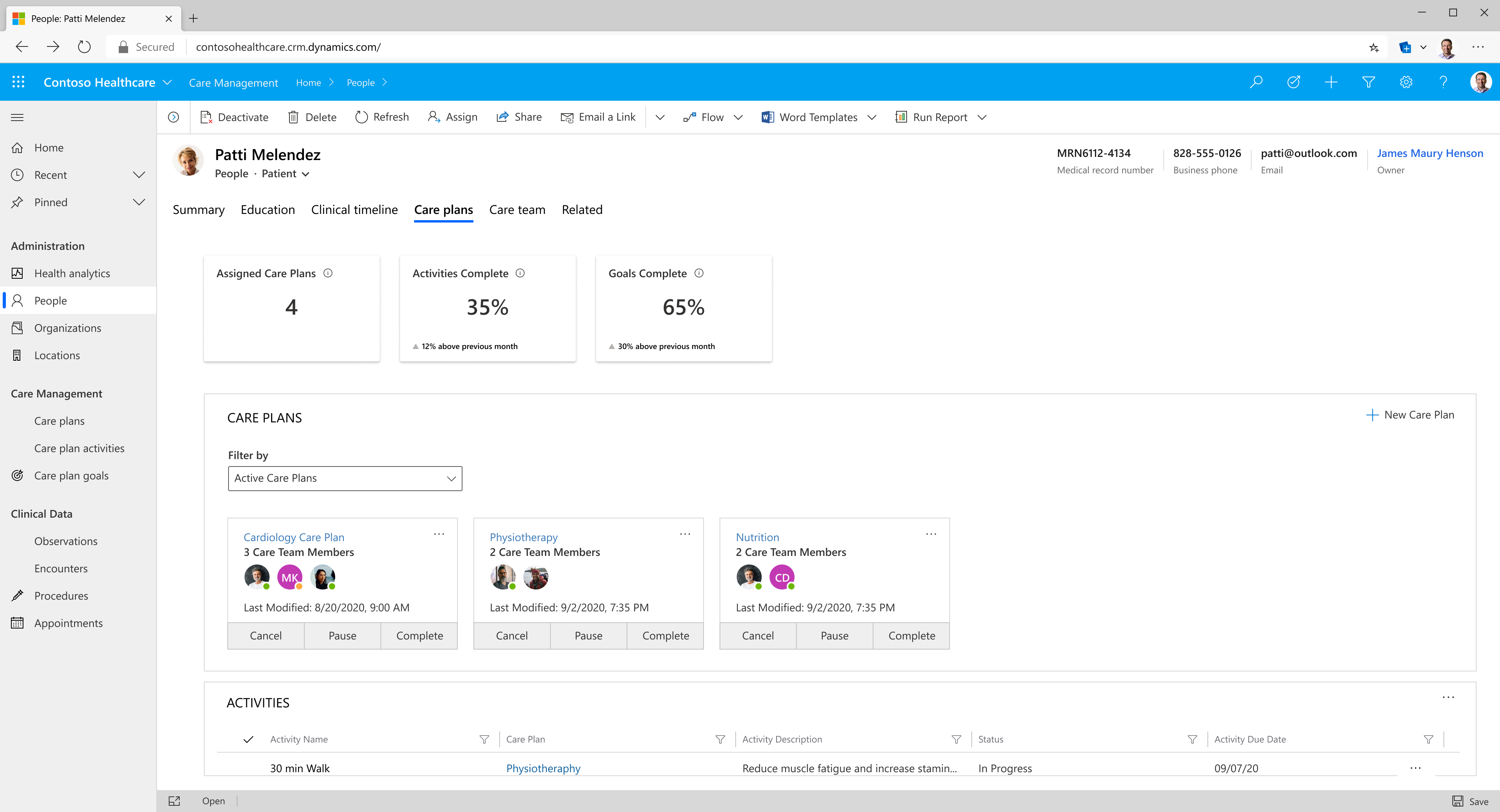
Industry solutions like Microsoft Cloud for Healthcare continues to commit to healthcare providers in enhancing patient engagement, improving data-related functionality, and further automating deployment experiences while expanding the global availability of our Microsoft Cloud for Healthcare solutions.
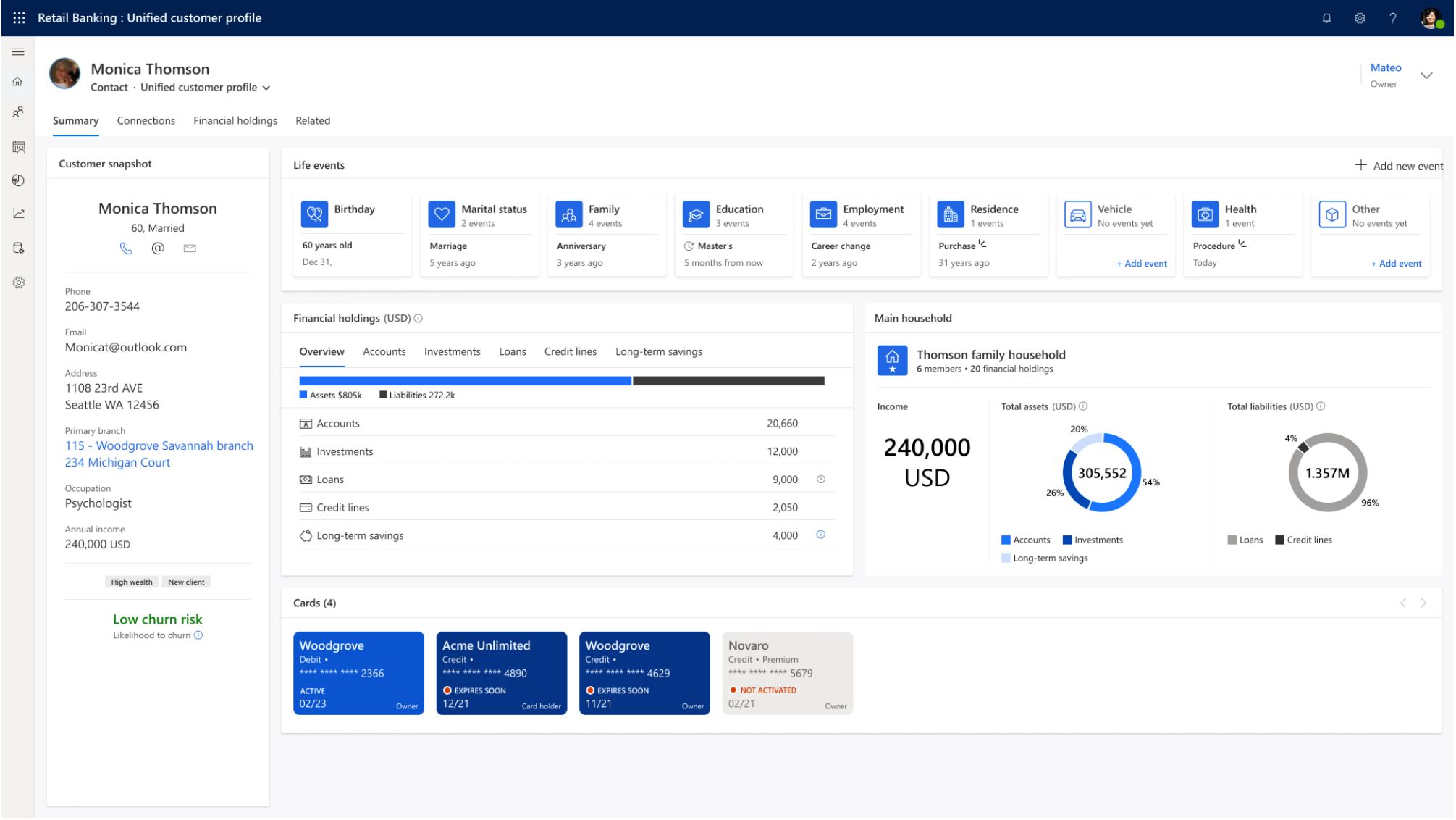
Microsoft Cloud for Financial Services provides capabilities to help manage data to deliver differentiated experiences, empower employees, and help combat financial crime while facilitating security, compliance, and interoperability of financial data.
“This helps in enhanced collaboration, automation, and insights to streamline processes, personalises every customer interaction, improves customer experience, and delivers rich data insights,” says Roos.
Microsoft Cloud for Non-profit is updated to reflect our commitment to delivering a great onboarding experience to new and returning Cloud for Non-profit partner and non-profit customers.
Finally, Microsoft Cloud for Sustainability has launched an extensible SaaS solution that provides comprehensive, integrated, and automated sustainability management for organisations. It automates manual processes, enabling businesses to more efficiently record, report, and reduce their emissions on a path to net zero.
The Dynamics 365 and industry clouds release plan for the 2022 release wave 1 is available here.
Transform your business
The page you requested could not be found. Try refining your search, or use the navigation above to locate the post.

Businesses can no longer just offer the best product or service at the best price and be done with it. Consumers are now choosing to spend their money with companies that provide the best Customer Experience. It is possible that by investing and implementing Customer Experience programs and strategies, you could potentially double your revenue in three years.
More than two-thirds (around 86%) of buyers will spend more on a product or service if it means that they are receiving an excellent and memorable Customer Experience. More than that, nearly half of people have made impulse buys because they received a personalised experience from a brand.
Customer Experience is sometimes simply referred to as CX. In an eCommerce setting, this could be referred to as User Experience or (IX).
In general, Customer Experience is how your customers think you are treating them. The reality is: if customers feel like ‘just a number’ to your business, your business will likely be ‘just a business’ to them. Offering tailored and personalised experiences mean customers link interactions with your brand or company with pleasant emotions and memories. This, in turn, drives their loyalty, which could generate repeat sales and lead to new acquisitions as these happy customers spread the word.
In the past, many companies used surveys to gather data on their customers’ experiences. A survey conducted by McKinsey & Company in collaboration with AlphaSights and Gerson Lehrman Group in 2019 and 2020 found that nearly all of their respondents (93%) used survey-based data to track their customer’s experience. However, only 15% thought that surveys were the best way to measure their customer’s experience. Very few (6%) believed that using surveys provides them with the data they need to make informed decisions.
Today companies have access to vast amounts of customer data. This data can be ethically sourced and combined with a Customer Data Platform (CDP) to improve your Customer Experience.
The data that is sourced and used by a Customer Data Platform is usually first party data. That means the information is gathered directly from individuals who interact with your company, business, or brand. Gathering data directly from persons who have interacted with your company means the data closely reflect your target demographic.
By harnessing this data, you can make informed decisions to improve your customers’ experience in general. More than that, a customer data platform creates profiles of individual people who have engaged with your brand. That means you can tailor marketing messages and experiences to speak directly to each specific customer. These tailored experiences make each interaction with an individual and unique customer an opportunity to provide them with a personalised and custom Customer Experience.
Customers want to be important to you. They do not want to be just another order number. So much so that they are willing to give you permission to gather their data in order to make their interactions with your brand more personalised.
When you use data to better understand customers, it is generally referred to as Customer Analytics. This involves everything from gathering to storing, analyzing, and then making decisions from what you’ve learned from the data gathered on your customers.
When you collect information on your customers, you are primarily interested in how they interact with your different marketing channels and how they interact with your products or services. Bear in mind that every interaction with your company or brand that does not directly relate to an interaction with your product or service is a marketing interaction.
Everything from a like on Facebook to reading an article on your blog or searching the location of your brick-and-mortar store are steps along the customer journey. A journey that would potentially and hopefully end with them making a purchase from you.
Suppose you know how your target audience (or, better yet, any specific customer) prefers to interact with your company. In that case, you can generate highly targeted marketing messaging specifically aimed at that group or individual.
More than knowing how customers interact with your brand, you need to know which products or services are the most and least popular. Even then, you cannot stop there; you need to know why this is the case.
This is because products or services that are selling well could potentially do better if marketing efforts for these products or services are tweaked according to customer feedback (both directly and indirectly).
Products or services that sell less well may need to be dropped from inventory. On the other hand, harnessing your customer data and improving your Customer Experience could see these products or services selling better as they are strategically marketed to particular individuals.
In today’s marketplace, it is vital to gather and harness not only digital data but also real-life information on your customers. Real-life data could include information about their trips to your brick-and-mortar store, what they purchased, and the overall experience of their visit. It could even be as specific as what they thought of your window dressing, their interaction with your sales staff, or whether they tried any samples while at your store.
Businesses often have multiple platforms and databases where they gather information on their customers. That means they often have vast amounts of data to store, process, and analyse before they can use it in a logical and strategic way. In many cases, the data is so much that businesses only use a fraction of the data available to influence their customer’s experiences.
Using a customer data platform allows you to integrate all the first party (and sometimes second and third party) data that you gather on your customers or even potential customers. You can then use this to cultivate highly unique and personalised Customer Experiences and give your customers exactly what they want or need, when they want and need it.
Win customers and earn loyalty
The page you requested could not be found. Try refining your search, or use the navigation above to locate the post.

The International Association of Microsoft Channel Partners (IAMCP) is a high trust community that bring Microsoft partners together. The IAMCP is dedicated to help Microsoft partners grow and broader their business opportunities through partnering with other IAMCP members.
To effectively serve customers in today’s demanding business environment, partners must build strong complementary partnerships.
At The CRM Team we are passionate about how digital transformation is shaping the world and our aim is to help businesses innovate and continue to expand.
We are proud to be part of the IAMCP South Africa board and strongly believe that by partnering with other like-minded IAMCP members we will continue to be innovative and collaborative within our sectors.

Why join IAMCP?
IAMCP encourages its members to work together. A network of Microsoft partners, each specializing in a certain expertise, allows to create value that would otherwise be impossible to generate.
Benefits for South African partners joining IAMCP?
Become an IAMCP Member
With an IAMCP chapter membership, you can be a part of that change all while fostering the important personal and business relationships that lead to mutual growth.
IAMCP offers three types of membership. For the details of these membership types and the pricing information, read the IAMCP FAQ or reach out to your local chapter.

Bianca Kruger – Marketing Manager
Bianca Kruger is the Marketing Manager at The CRM Team, with responsibility for marketing programs, brand management, strategic marketing campaigns that drive business objectives. Bianca has over 10 years of experience in B2B and B2C marketing and holds a qualification in Business Management.
Innovative, Dynamic, and Passionate is what best describes Bianca.
The page you requested could not be found. Try refining your search, or use the navigation above to locate the post.

Customer Data Platforms (CDPs) – The CDP market is booming, and it won’t slow down any time soon. Customers are demanding more personalised interactions with brands, and brands who fail to meet these demands will likely see customers turning to their competitors.
A Customer Data Platform collects and combines personally identifiable data on individual customers. This allows companies to generate highly personalised marketing messages that convert new customers and retain existing ones.
The global customer data platform market size is predicted to reach $20.5 billion by 2027, with a Compound Annual Growth Rate of 34% during the forecast period.
Part of this growth can be attributed to the increasing demand for personalised interactions between consumers and brands. Another reason is the exponential growth and influx of new data that stemmed from the global pandemic as more and more consumers turned online for products, services, and offerings.
Companies that are not harnessing this massive influx of data are missing out on opportunities to connect with their customers on a more personal level. Here is what you may be missing out on if you aren’t using a Customer Data Platform:
A unified view of individual customers.
Using tools like a Customer Relationship Management (CRM) system or Data Management Platform can provide valuable insights into your target audience. Still, these tools have their limitations. While the data harvested, processed, and stored by these tools is valuable and can greatly benefit your marketing efforts, it only provides you with general information on your current or prospective customers.
A Customer Data Platform aggregates all the data gathered on specific customers from their very first interaction with your company. A CDP uses AI-powered identity resolution to combine multiple identities from across various touchpoints into one unified customer profile.
All your customer data is located on a centralised platform by using a CDP. That means that there are no data silos, and companies can obtain a unified view of any particular customer within moments.
Quickly locating relevant data.
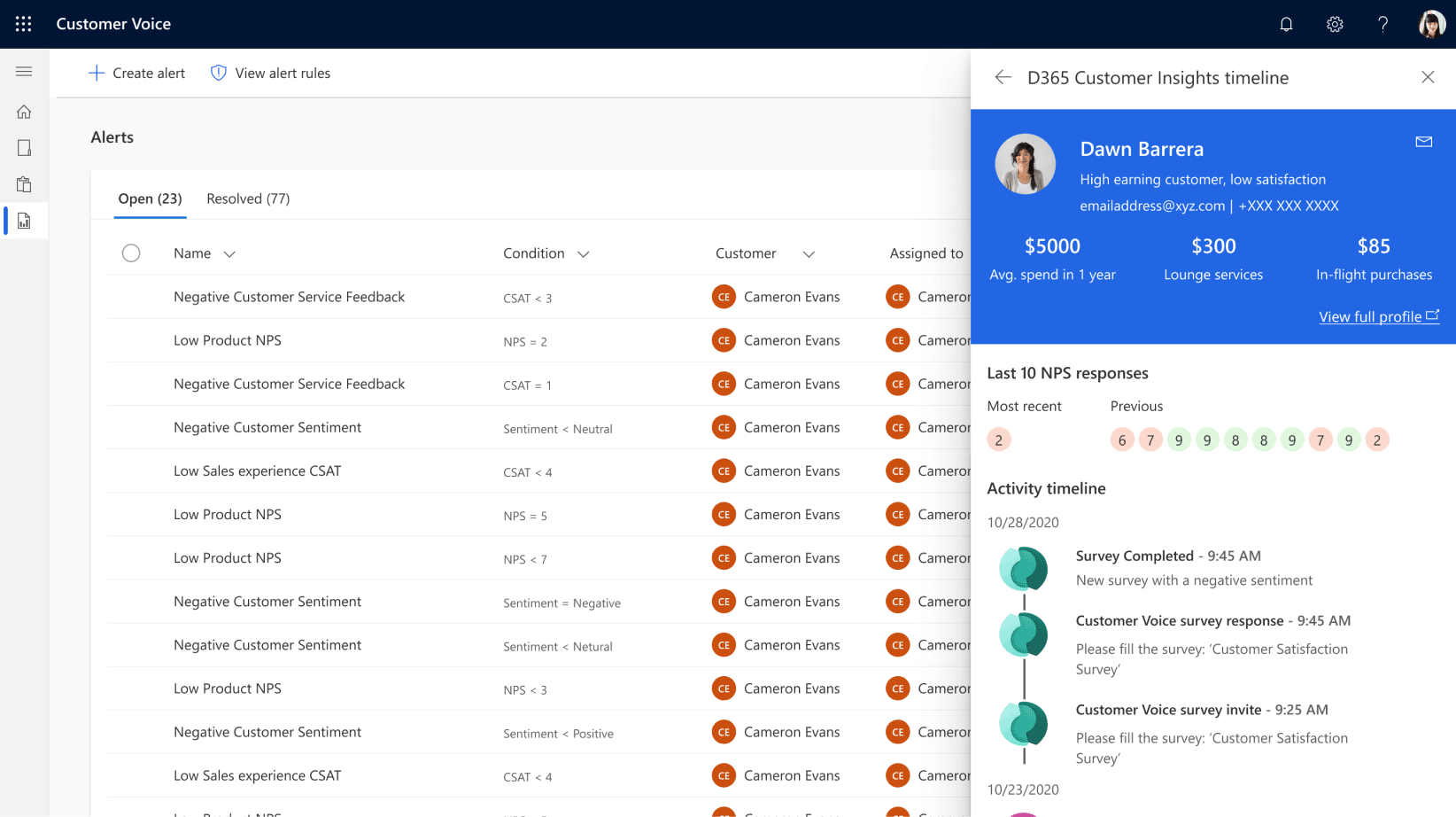
Because data is stored on a centralised platform, it can quickly and easily be retrieved. The Customer Data Platform combines data that would otherwise be stored in separate locations. Having all the data relating to any particular customer in one place means that companies would be able to draw on and utilize that information quicker and more effectively.
Companies can now have a real-time 360-degree view of unique customers and tailor marketing messages directly to those customers where and when they would have the most impact.
Most notably, companies can have transactional, behavioural, and demographic data in real-time. This could be extremely valuable in creating more targeted marketing messages that may be time-sensitive.
Creating more personalized and consistent brand messaging.
Customer Data Platforms use first party personal identifying information. This information gives companies the power to generate highly personalised content. Not only is this content personalised, but it can meet customers (or potential customers) where and when these messages could be most effective.
Information is power, and this power is amplified when it can all be combined to generate marketing messages that speak directly to unique individual customers. It is even more effective when these messages can meet your customers where and when they want it.
By harnessing the information generated by a Customer Data Platform, you not only ensure that specific clients receive tailored marketing messages. You also avoid sending irrelevant information to those customers.
Improved operational efficiency and automation.
Companies that do not have a customer data platform can still personalise and automate some aspects of their marketing campaigns. However, these features are limited if you are not using a CDP. This is not necessarily because you may not have the data (although this could also be the case). It may be because you have data spread out over different platforms.
That means you need to locate, reference, analyze, and draw actionable strategies based on data that is located on different systems. This can be highly resource-intensive, potentially slowing down your operational efficiency and automation.
Taking longer to generate insightful marketing strategies that speak to individual people means that you may miss out on opportune moments to convert customers.
Using ethically sourced data.
CDPs mostly use first party data. First party data is data collected directly from consumers who have interacted with your brand. That means you are in control of how, where, and when this information is gathered.
By regulating how you collect consumer data, you can ensure that you have obtained the proper consent to collect and use your customers’ personal (and sometimes private) information.
Although the first party data collected and aggregated through your Customer Data Platform may be ethically sourced, your company is still responsible for keeping that data safe. That means you need to have robust data security, which most Customer Data Platforms provide. More than that, most Customer Data Platforms help you stay compliant with relevant data protection laws like the General Data Protection Regulation (GDPR) and California Consumer Privacy Act (CCPA).
Getting the best of both worlds.
A Customer Data Platform collects and stores data specific to individual customers and aggregates data relating to anonymous customers as they move through each step of the customer journey.
This information will allow you to target specific customers and optimize your more general customer journeys and sales funnels.
The growing demand for more personalised interactions coupled with the massive influx of customer data created the ideal scenario for companies to step up and show up consistently across multiple marketing channels. Using a CDP can not only help your brand be seen by those who are most likely to engage with it, but to do it in a manner that will make them want to engage with your brand.
If you aren’t using a CDP yet, perhaps the question you should ask yourself shouldn’t be whether you should get one, but why you haven’t gotten one yet.
The page you requested could not be found. Try refining your search, or use the navigation above to locate the post.

Marketing that lacks real-time data and client consent are referred to as Tone Deaf SPAM, and it is not only annoying but also unlawful under GDPR and POPIA regulations. I fell in love with customer data platforms (CDP) and Next Best Action software back in 2012, when I first met Dr. Shuki Idan, he lead the SAP product group called RTOM (real-time offer management). This was a SAP product that leveraged the power of HANA and was revolutionary at the time!
The issue we had with RTOM and later SAS IMM was that it was pretty useless without data, and while it could influence customer behavior in real-time, lowering the cost of customer acquisition and increasing the profitability of each customer interaction with the next best actions, the business case was harmed by the cost and time required to set up a data warehouse. These great applications could have been deployed in weeks, but the underlying data warehouse need would take months, if not years, to fulfill. Completion did not always imply success since the business did not trust the data.
Then…
The door slams open, and Microsoft’s Customer Experience Platform with Dynamics Customer Insights steps in (CI). (Imagine a scene from a cowboy film…) “Dynamics 365 Customer Insights enables businesses to combine all of their B2C and B2B customer data in real-time to provide AI-powered insights, resulting in a single view of the customer.” Marketers can use interactive reports to enhance their customers’ experiences, and AI-powered insights can help foresee customers ’ demands faster. “Dynamics 365 Customer Insights serves both technical and non-technical users seamlessly, whether it’s through a visual UI/drag and drop interface for marketers or advanced analytics for data scientists.” Microsoft was recently named a leader in the IDC MarketScape for Worldwide Customer Data Platforms.
The IDC MarketScape said, “Consider Microsoft if you are looking for user-friendly AI/ML modeling capabilities that do not require marketers (and other LOB users) to be data scientists.” The report also noted, “Microsoft’s CDP segments are created through automated discovery powered by AI, API configuration, and visual UI/drag and drop interface for markets and through analytic/SQL queries for data scientists. Segments are updated based on a variety of factors such as streaming web session data, geolocation, and dynamic modeling and based on batch data updates.”
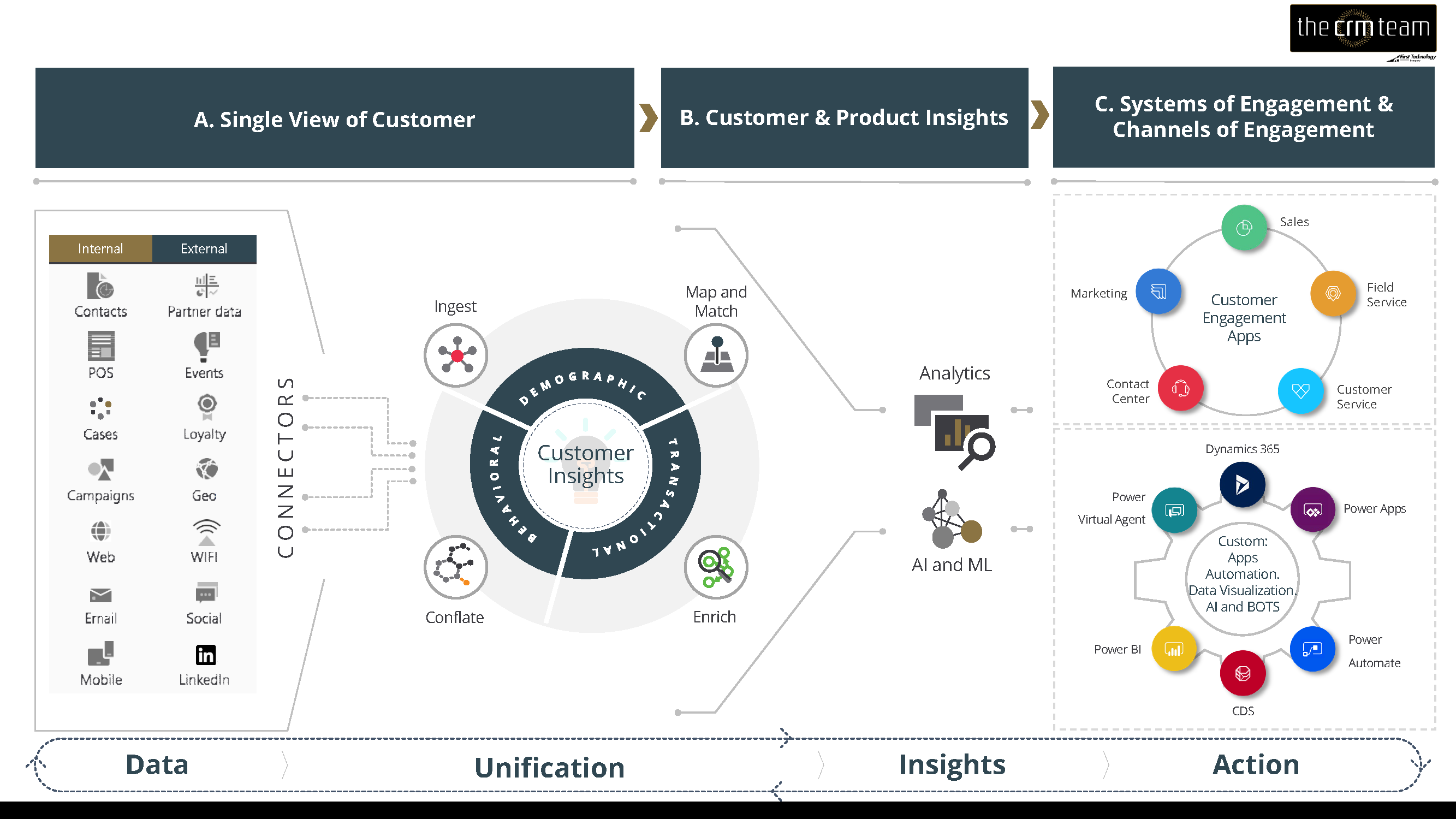
1. The manner in which you ingest data using power query connectors and a common data model, which takes days or weeks rather than months or years. Power query connectors are predefined integration points for over 500 apps, and as you may be aware, integration takes time, which costs money.
2. How you unify data using AI-enabled MAP, MATCH, and MERGE (or M3 as we’ve labelled it) functionality.
3. The way you enrich the data through sources like Microsoft and other partners to gain insight to brand affinity and other interests.
4. How you use built-in AI and analytics to predict customer needs:
a. Predict customer lifetime value, transactional churn, and subscription churn using prebuilt AI models.
b. With product suggestions, use prebuilt AI models to swiftly uncover cross-sell and upsell possibilities.
c. Make your own audience segmentation or use AI-driven suggestions.
d. Use industry standards to establish key performance indicators (KPIs) or create your own bespoke KPIs.
e. Use Microsoft Power BI and Azure Synapse Analytics, a big-data-analytics service, to combine customer data with financial, operational, and unstructured Internet of Things (IoT) data.
5. How you use AI-powered insights to drive meaningful actions:
a. Intelligently orchestrate personalized journeys across destinations including marketing automation, advertising, and customer engagement platforms from Microsoft and other providers.
b. Surface up-to-date customer data and insights in the Microsoft apps that your employees use every day, like Microsoft 365 and Dynamics 365 Marketing, Sales, and Customer Service.
c. Create smart, responsive, low-code bespoke apps from your customer data with Microsoft Power Apps.
6. How advanced CDP capabilities may help you personalize B2B interactions:
a. Shorten sales cycles by obtaining unified account profiles that provide actions and insights on an aggregated or individual basis.
b. Improve lead accuracy and quality by leveraging third-party enrichment sources to enrich account data from industry-leading data suppliers like Leadspace and Dun & Bradstreet.
c. Increase account retention by detecting at-risk accounts with prebuilt, customizable AI churn prediction models.
d. Use LinkedIn to boost your account-based marketing (ABM).
Last but not least…
7. The way you build customer trust on a consent-enabled CDP:
a. Enhance customer experiences in a cookie-less future to respect consumer consent and privacy without requiring any additional workflows or understanding where and how consent data is collected and managed.
b. Harmonize consent across business workflows. Count on a flexible customer data platform (CDP) with always up-to-date consent data refreshed automatically, using connections to the consent data mastering service.
c. Stay compliant with the General Data Protection Regulation (GDPR) and the California Consumer Privacy Act (CCPA) by utilizing data governance capabilities enabled by Azure Purview Preview.
The more I wrote this article the more it felt like 10 things I love about you…
All of these capabilities are built on top of industry-specific data models, such as Microsoft Cloud for Financial Services’ Unified Customer Profile. By enabling Dynamics Customer Insights, we’ve been able to unleash incredible returns for our customers – give us the chance to do the same for you!

Wynand Roos- Managing Director, The CRM Team
Wynand is the co-founder and Managing Director of The CRM Team and has been an expert in CRM for the past fifteen years. While working for Microsoft, he was responsible for building the Dynamics CRM market and partner channel, from version 1.2 of the software. Today, he is used by Microsoft Corp. to train their sales team across the world and has extensive experience in creating developing CRM solutions using the Dynamics 365 platform.
The page you requested could not be found. Try refining your search, or use the navigation above to locate the post.
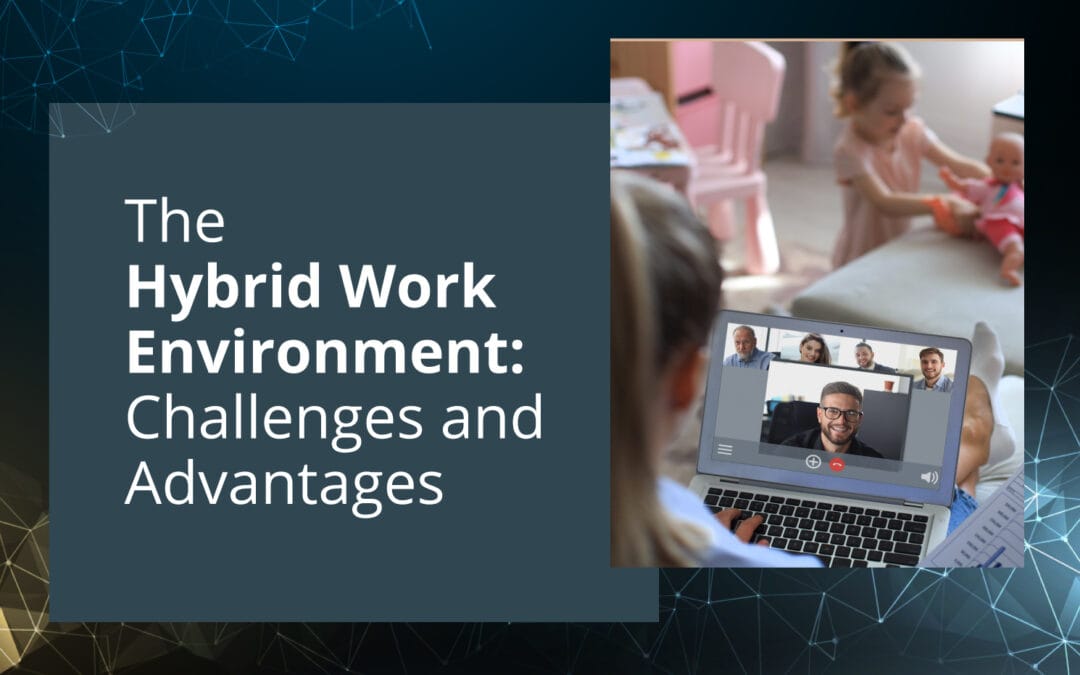
People perceive and apply hybrid working models in many ways. However, there is one unifying principle that underpins hybrid work: flexibility. Hybrid systems are inherently more adaptable than more uniform, inflexible models that require employees to work wholly or primarily in the same central place.
Workers in a hybrid work style have more flexibility to complete tasks when they are most efficient. Effective hybrid working involves the updating of formal flexible working rules, as well as the recognition that a one-size-fits-all strategy rarely actually suits anyone.
COVID-19 has led in significant changes in the way people work and wish to interact in the workplace during the last two years, and these changes are still ongoing.
The current difficulty for companies and employees is determining the optimum combination of in-person and remote work to fulfil the demands of a diverse collection of stakeholders.

Hybrid employment has given some people new career options, greater family time, and the ability to choose whether to commute. However, they are not the only advantages.
Employees have diverse work habits and perform better in different environments; hybrid work allows employees to take advantage of this.
Build-in flexibility may be a retention driver in the same way that the hybrid work choice enhances the talent pool.
A hybrid approach can provide flexibility and allow individuals to work to their strengths, increasing productivity. Teams may achieve a healthy mix of creativity and cooperation by promoting a culture that considers remote work as a beneficial option to completing deep-focus activities in the office. Employees who want solitude and quiet to concentrate or who flourish in an office environment might be offered the option of working where and when they are most productive.
According to Microsoft statistics, one in every five global survey respondents believes their company is unconcerned about their work-life balance. While work and life are rarely perfectly balanced, work-life fit is an essential component of any healthy working environment.
Understanding how and where the existing workforce is deployed, as well as ensuring that those employees are informed on objectives and goals, will be required.
Hybrid work has mostly influenced how Agile ceremonies operate. Many teams’ communication and collaboration might be hampered when not all the people in the room are present. Estimating and Retrospective Sessions are two of the most effective ceremonies for keeping your team on track during a project.
As a leader, you want to foster a hybrid work environment that is collaborative, efficient, and encourages team members to perform to their full potential. There are several approaches to achieve this aim in today’s ever-changing economic landscape.
When thoughtfully and strategically organized, the hybrid work model can propel your organization to new heights of productivity. Previously, the hybrid model was seen as an alternate work style. However, as more employees want flexibility, it will become increasingly widespread. Companies must address the requirements of their employees or risk losing talent to competitors.

Roehan Manders – Head of Delivery
Roehan completed a B.Com Entrepreneurship & Business Management at North-West University (awarded with Cum Laude) he is also a certified Scrum Master. After developing and running his own marketing website business, he successfully sold the business and became a business adviser, analyst, and high-income private banker. Roehan then used these skills to transition into project management where he trained in SCRUM and Agile methodology.
The page you requested could not be found. Try refining your search, or use the navigation above to locate the post.