No Results Found
The page you requested could not be found. Try refining your search, or use the navigation above to locate the post.

# Head of Marketing, Career, Women in IT, Women Empowerment

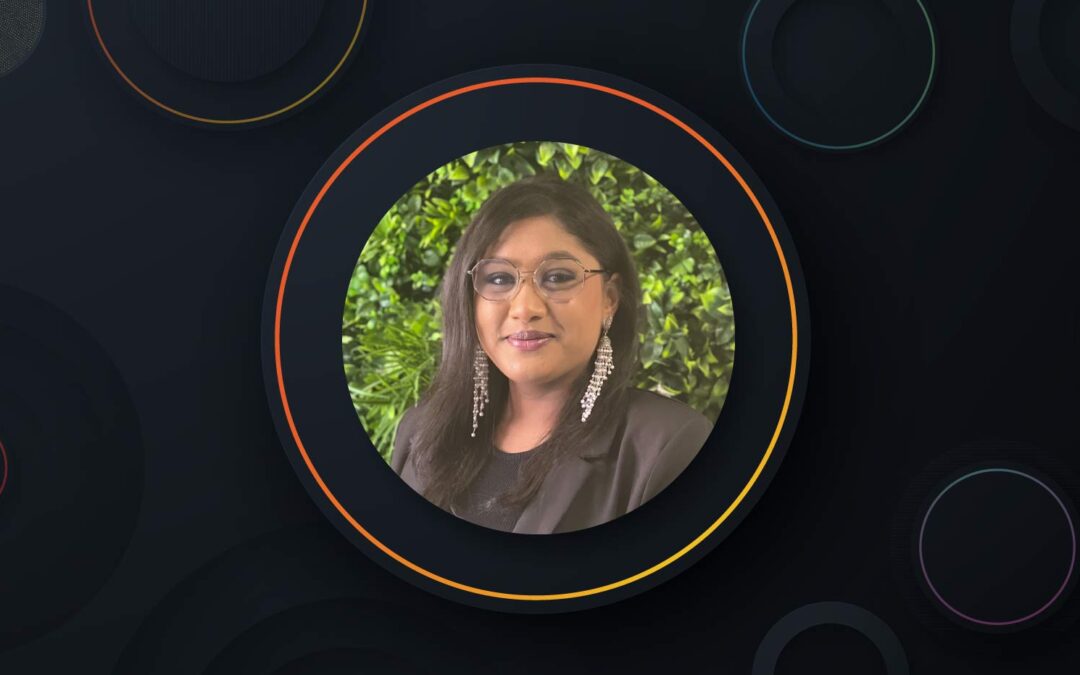
In the realm of professional success, there are few stories as inspiring as that of Kubeshni Govender (Kesh), the dynamic Head of Marketing at The CRM Team. Kesh’s journey is a testament to the power of determination, resilience, and the unyielding spirit of a woman breaking barriers in the competitive world of marketing in the IT Industry. Fondly referred to as “The Powerhouse,” Kesh’s story is a beacon of hope for aspiring young women who aim to carve their paths and make impactful contributions to both their careers and society. In this exclusive interview, Kesh shares her insights, challenges, and strategies that have shaped her remarkable journey.
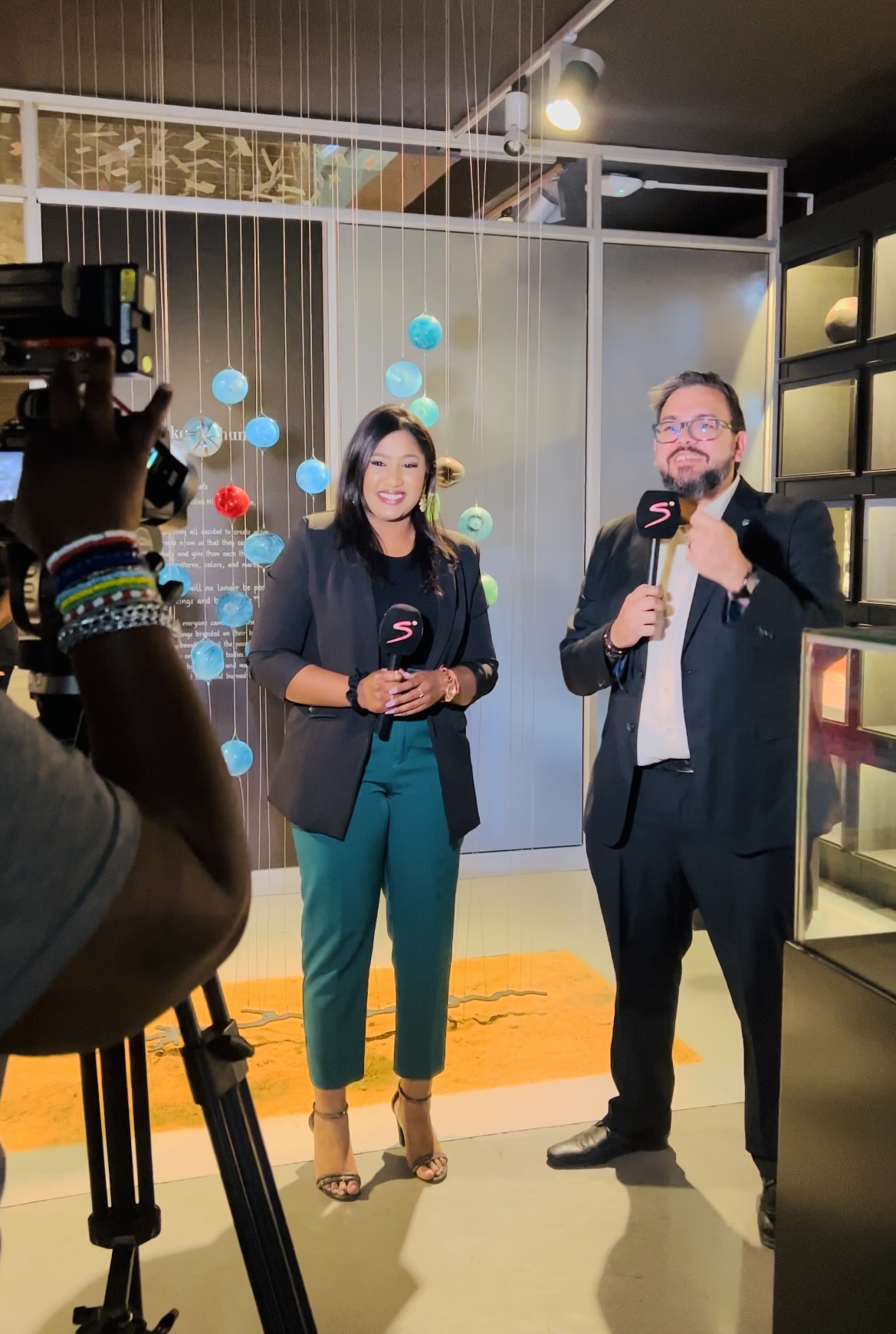
Kubeshni embarked on her remarkable journey to the position of Head of Marketing at The CRM Team through a series of pivotal moments that shaped her career. Starting as an intern at Microsoft in 2019, she diligently absorbed knowledge and insights into Microsoft’s operations and partner expectations. This inside information proved invaluable as it allowed her to excel when working with partners. Kesh’s dedication was further demonstrated when she completed the Modern Marketing Digital Transformation program, earning recognition for her efforts. Her outstanding performance and impact didn’t go unnoticed, and Microsoft managers remembered her well. When the need arose for a Head of Marketing at The CRM Team, her previous achievements and impressive track record made her the top candidate as a recommendation from Microsoft. Kesh’s journey from intern to leader is a testament to the power of dedication and impact. She adds, “Working for The CRM Team made me realise that I made some bad career moves previously, but with those lessons, I cherish the opportunity I’ve received with The CRM Team, as they’ve shown me the definition of good company culture, a healthy work environment, exemplary teamwork energy, and the power of leadership excellence.” Kesh’s journey from intern to leader at age 23, is a testament to the power of dedication and impact.

The journey of Kubeshni Govender is not just a tale of professional growth, but a testament to her resilience in the face of personal challenges. As a young woman aiming for success in the IT industry, she encountered formidable obstacles that threatened to undermine her confidence and potential. The realm of marketing, which she chose to conquer, was not without its gender biases and misconceptions about age. However, Kesh’s determination to rise above these challenges and carve her unique path led her to become a powerhouse in her field.
Overcoming the perception that her age might hinder her success was a daunting task. The stereotypes that questioned her readiness for leadership roles or dismissed her as “too young” were discouraging. Kesh candidly acknowledges that these biases are prevalent, often coming from both male and female leaders. Despite the industry’s competitiveness, where women occasionally view one another as rivals, Kesh persevered. While creativity thrived within her, she found that other women could sometimes feel threatened by her potential. These experiences of being pulled down by mentors and colleagues served as pivotal moments that fuelled her determination to prove her worth.
Amid her professional challenges, Kesh faced deep personal struggles that pushed her to the edge. Battling past traumas from her childhood till the age of 23, she found herself at a breaking point, attempting suicide with a very narrow escape. Yet, emerging from this dark moment, Kesh decided to reshape her identity and take charge of her narrative. This transformation marked the birth of “The Powerhouse.”
Reclaiming her strength and forging a path to empowerment, Kesh co-founded two Non-Profit Organisations dedicated to uplifting others. One focused on providing support to those who had endured similar challenges and charitable initiatives, whilst the other sought to empower women in leadership roles. Kesh’s journey toward becoming “The Powerhouse” was not confined to her own growth; she actively contributed to the betterment of those around her.
Kesh’s status as “The Powerhouse” was solidified through her role as a speaker and advocate on platforms like ‘Future Females’, ‘Women Takes IT To The Stage’, ‘Rehoboth Radio’, ‘WITS University’, ‘Libex Marketplace’, ‘YAEI’ (Young African Entrepreneurs Institute), ‘SuperSport’ and more, where she shared her story of resilience and empowerment, leaving an indelible impact on countless women. Her tenacity, confidence, and unwavering belief in her abilities earned her the title that resonates today.
The term “powerhouse” isn’t just a label; it symbolizes the journey of a woman who transcended adversity and shattered stereotypes. Kubeshni Govender (Kesh) embodies the essence of strength, resilience, and empowerment, inspiring others to overcome barriers, find their voice, and become forces of positive change. Her story serves as a reminder that even in the face of the most daunting challenges, one can rise, thrive, and make an enduring impact.
Kubeshni Govender’s dedication to making a positive impact in the world is not limited to her professional accomplishments. Beyond her career, she has channelled her passion into two remarkable nonprofit organisations that embody her commitment to social change and empowerment.
Govender, a true advocate for charitable causes, has always found joy in bringing smiles to people’s faces. This innate desire to give back was sparked by her friend’s charitable endeavours. Witnessing the impact of these efforts firsthand ignited a fire within her to contribute to the betterment of society.
The inception of Govender’s Non-Profit Organisations came about because of her involvement in various charitable initiatives. The first, Connected Humanity, was born out of a clothing drive that evolved into something much larger. Govender recognised the need to formalize her efforts, leading to the establishment of this NPO. She collaborated with like-minded individuals who shared her passion for making a difference.
Connected Humanity’s mission transcends borders. While it began in South Africa, its reach extends internationally. Through initiatives such as clothing drives, feeding programs, and contributions to animal shelters, Connected Humanity aims to touch lives across different communities. The organisation’s goal is to foster connections and create sustainable change.
The Geek Goals Foundation, Govender’s second initiative, is focused on the build of an e-learning platform and women empowerment. This foundation embodies her belief in the transformative power of education. The platform seeks to empower women holistically, from academia to mental health and emotional well-being. Govender envisions a wide array of courses, ranging from cooking and baking to marketing and science, allowing women to upscale their skills and build successful careers.
The key element of The Geek Girls Foundation is its ripple effect. Govender envisions a cycle of empowerment, where successful women on the platform not only uplift themselves but also become mentors, contributing to the growth of others. Govender’s vision aligns with creating a positive domino effect, as women inspire and support one another, fostering a community of success.
Govender’s philanthropic endeavours extend beyond her organisation’s scope, as she seeks partnerships with other companies working toward social change. Her commitment to solving pressing issues, such as defence and sustainability, highlights her holistic approach to creating a better world.
In a world where juggling various commitments can feel like a daunting challenge, Kubeshni Govender stands as a prime example of someone who seamlessly balances her professional life, personal passions, and community initiatives. Govender has not only excelled in her career but has also made a tangible difference in the lives of others through her impactful Non-Profit Organisations.
The question often arises: How does one effectively contribute to both personal and societal betterment without compromising on quality or impact? Govender’s approach revolves around two key principles: time management and priority setting. Recognizing the significance of allocating time according to priorities, she emphasizes the importance of giving her all to each endeavour, even if it means seeking assistance when needed.
Navigating this demanding path is undoubtedly challenging, yet Govender believes that action speaks louder than hesitation. She emphasizes the importance of forward momentum and the futility of overthinking. To her, time is a valuable resource that should be maximized rather than squandered on deliberation. This perspective stems from her innate passion for her initiatives, allowing her to immerse herself fully in each endeavour.
Central to Govender’s success is her engagement with projects she genuinely enjoys. Her current role aligns seamlessly with her studies and experience, which empowers her to invest herself wholeheartedly. This synergy translates into sustained energy and enthusiasm, even when she’s dedicating time to her passion projects outside of work hours.
Govender acknowledges the vital role of a supportive network, both personally and professionally. She draws strength from her family, sister, and partner, who stands by her side, offering encouragement and understanding during demanding periods. This support system enables her to dedicate quality time to her loved ones, despite her busy schedule.
Govender’s journey underscores the significance of following one’s passion and embracing the challenges that come with it. Her ability to synchronize her professional ambitions with her philanthropic initiatives stands as a testament to her remarkable dedication and resilience. As she continues to navigate this delicate balance, Kubeshni Govender exemplifies the transformative power of determination, time management, and unwavering passion.

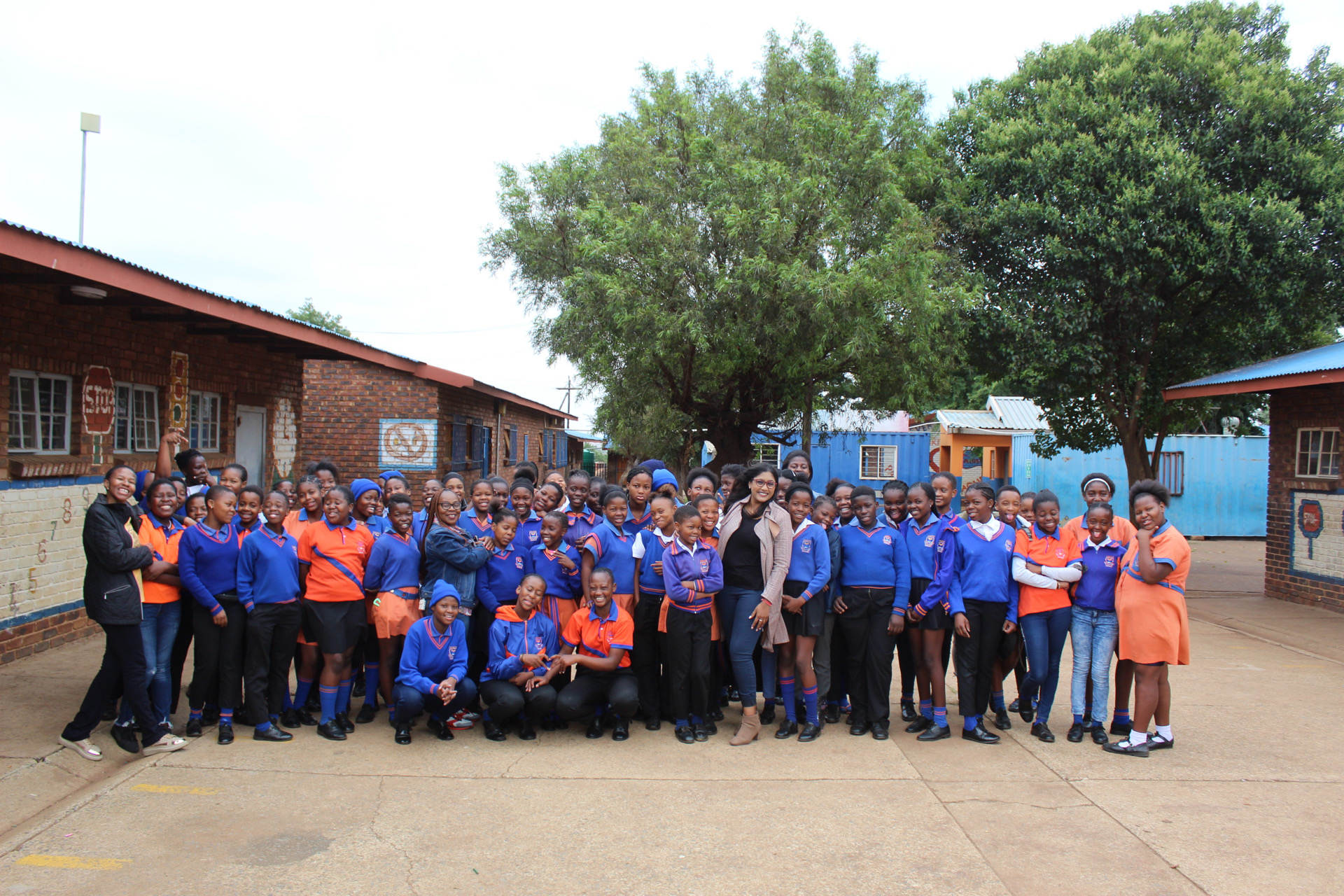
Kubeshni Govender’s journey serves as an inspiration to many, especially the younger generation who look up to her as a trailblazer and role model. Her influence is evident not only in her professional accomplishments but also in the positive transformation she has sparked within communities. A brief encounter with her presentation is enough to recognize her as a champion for change, making her a true role model for young women everywhere.
So, what advice does Kubeshni Govender have for those who aspire to follow in her footsteps? She advocates for self-belief as the cornerstone of success. Govender emphasizes the importance of embracing one’s unique qualities and being comfortable in one’s own skin. She encourages aspiring individuals to focus on their own journey, understanding that growth and transformation are constants. Govender underscores the significance of energy and passion, which radiate positivity and attract good energy in return.
In light of Women’s Month and the ongoing conversation about gender equality and empowerment, Govender’s accomplishments hold a crucial place. Her efforts extend beyond the surface-level understanding of women’s empowerment. Govender clarifies that her mission is not to uplift women at the expense of men but rather to establish a platform where equal opportunities are presented to all. Her initiatives aim to bridge the gender divide by promoting inclusivity, acknowledging that both men and women have unique qualities that contribute to progress.
Govender’s approach to gender equality involves creating spaces where women’s voices are heard and valued. Through her initiatives, she encourages women to be empowered and assertive, providing them with tools to tackle inequalities and advocate for themselves. Govender believes that fostering an environment where women are respected and appreciated leads to a collective empowerment that benefits society as a whole.
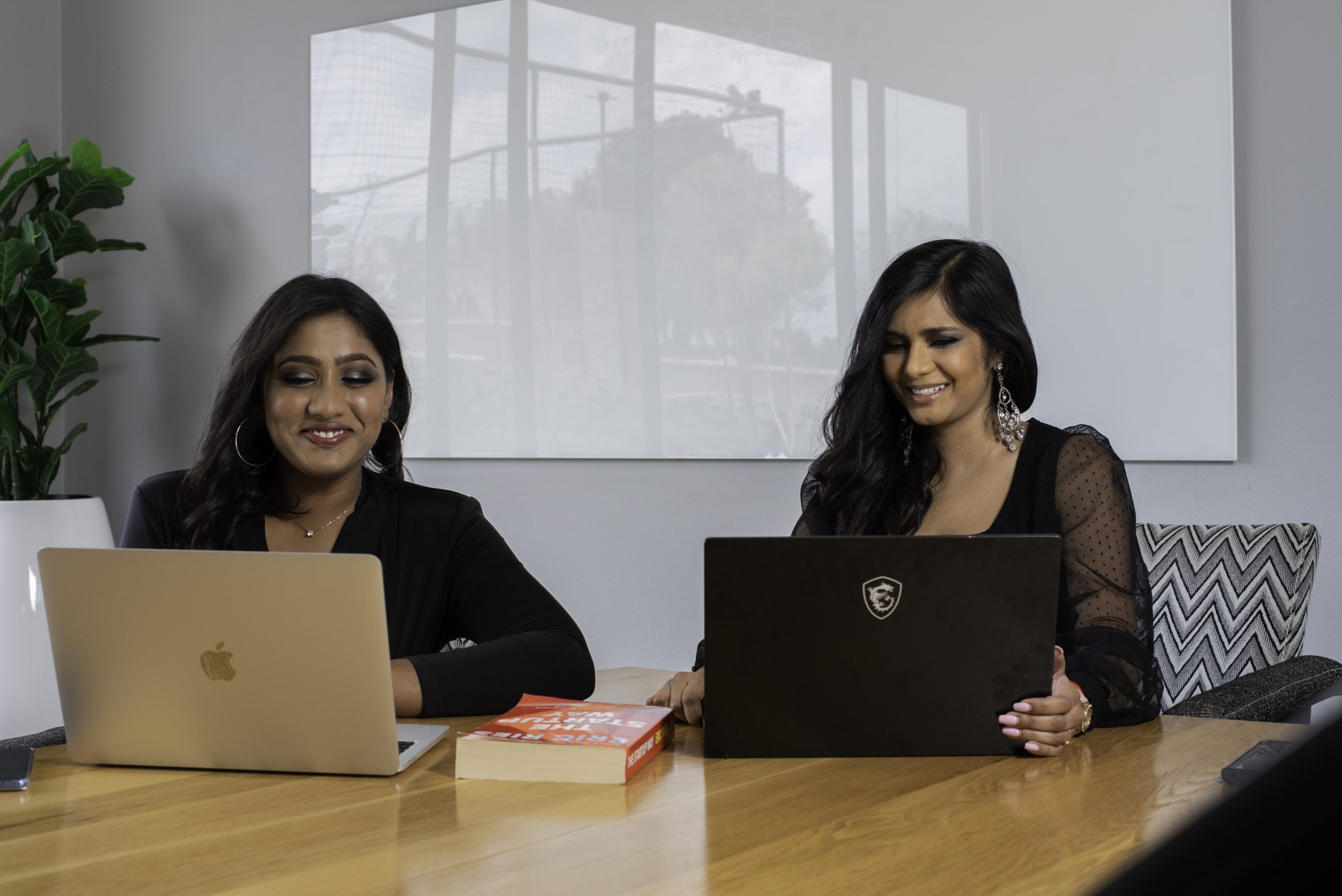
“Don’t let your past define who you are, as you are the author of your own destiny. Never lose your voice to speak your worth, or regret your challenges and mistakes, as this is how the learning curve of growth shifts both personally and professionally. You cannot expect to grow where you feel complacent and comfortable, you got to get uncomfortable to experience the beauty of growth.”

Yolani Williams – Content Writer
Yolani Williams is the Content Writer at The CRM Team, with the role of producing relevant content such as blogs, articles, and social media copy. Yolani holds a qualification in Strategic Corporate Communication from the University of Johannesburg and has 3 years of relevant experience in the marketing field.
The page you requested could not be found. Try refining your search, or use the navigation above to locate the post.
# Business Analysis, Project Delivery, Strategic Goals, Solution Design
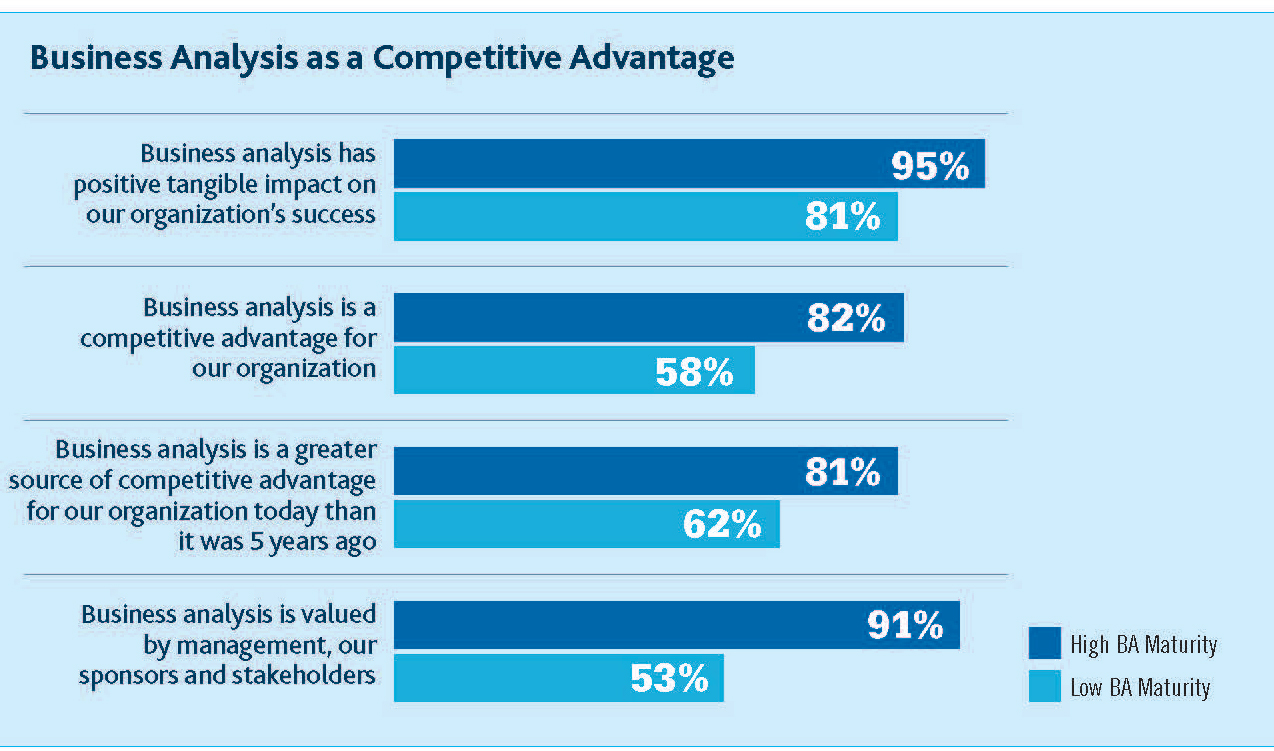
The Business Analysis Benchmark Report by PMI indicates that organisations with strong business analysis practices have higher levels of stakeholder satisfaction. This is attributed to the ability of business analysts to effectively engage stakeholders, elicit their needs, and ensure project deliverables align with their expectations. Business analysis plays a crucial role in project delivery by ensuring a clear understanding of requirements, effective engagement with stakeholders, and identification and mitigation of potential risks. Organisations that prioritise and invest in robust business analysis practices significantly enhance their chances of accomplishing successful project outcomes.
In project delivery, business analysis is vital and contributes significantly to successful project outcomes. It involves identifying, analysing, and communicating business needs and requirements to ensure that projects align with strategic aims and deliver value to stakeholders. In this article, Zelda Marais, a Delivery Manager at The CRM Team, sheds light on the significance of business analysis in project delivery and its contributions to achieving successful outcomes. Additionally, she emphasises the crucial role of Delivery Managers in facilitating the business analysis process along with skilled technical team members throughout the entire project lifecycle.
The role of a Delivery Manager in facilitating the business analysis process along with skilled technical team members throughout the project lifecycle is paramount to ensure successful project outcomes. A Delivery Manager acts as a bridge between the business and technical teams, easing effective communication and aligning project goals.
Firstly, the Delivery Manager works closely with Business Analysts during the planning phase, understanding the project goals, scope, and requirements. They collaborate in defining clear project deliverables and timelines, ensuring that the business analysis process aligns with the overall project plan.
During the requirements gathering and envisioning phase, the Delivery Manager supports Business Analysts by supplying necessary resources and facilitating stakeholder engagement. They help prioritise requirements based on business impact and work towards resolving any conflicts or ambiguities that may arise.
Throughout the solution design and validation phase, the Delivery Manager collaborates with Business Analysts to ensure that the proposed solutions align with the business needs and technical feasibility. They facilitate discussions between the business and technical teams, resolving any conflicts and helping to make informed decisions.
As the project progresses to the solution implementation and evaluation phase, the Delivery Manager continues to support Business Analysts by coordinating with the development team and monitoring progress. They ensure that the solution is delivered according to the requirements and address any challenges that may arise during implementation.
Furthermore, the Delivery Manager acts as an advocate for the Business Analysts, ensuring that their expertise and contributions are recognised and valued within the project team. They provide guidance, mentorship, and support to Business Analysts, promoting their professional growth and development.

Business analysis is the foundation of successful project delivery. “The key to successful business analysis is obtaining accurate information. Without conducting a proper analysis, you will not have a clear understanding of the specific process with which you are dealing. You will only have a vague idea of the requirements, making it difficult to know what exactly needs to be done. The business analysis adds more details and clarity to these requirements, giving you a more direct path to work with and ensuring successful outcomes.” Zelda explains.
“During the business analysis phase, it is essential to ask the right questions. When a client expresses a need or requirement, it is crucial to delve deeper to obtain the necessary information. For example, if they mention needing a notification, it is important to inquire about the frequency of notifications. Additionally, it is essential to ask about specific details such as the desired appearance and whether they require images or visuals, as clients may not initially consider mentioning these aspects. However, as a business analyst, it is important to gather all relevant information to ensure that the work can be effectively executed.” Zelda further explains.
Business analysis enables organisations to align their projects with strategic goals, identify potential risks, and make informed decisions. By conducting thorough requirements gathering and analysis, business analysts ensure that the project objectives are clearly defined and understood by all stakeholders. This, in turn, minimises the chances of scope creep and helps in delivering projects within the defined period and budget.
Effective business analysis enhances stakeholder engagement and fosters collaboration among different teams involved in the project. Research proves that, in the long term, effective stakeholder engagement is good for any business. Organisations with a greater awareness of stakeholder interests and higher stakeholder engagement patterns are more likely to avoid crisis, simply because they’re in a better position to leverage opportunities and anticipate risks. Several compelling studies across industries on the impact of good stakeholder relations demonstrate that, over time, organisations focusing on building stakeholder trust are more resilient across indicators of value such as financial resilience, sales, cost reduction, time to market and control of operating costs. By actively involving stakeholders throughout the analysis process, business analysts ensure that their perspectives are considered, and their requirements are addressed. This collaborative approach not only improves the quality of project deliverables but also increases stakeholder satisfaction.
The business analysis process encompasses several crucial phases that enable a structured and thorough approach to project delivery. These phases begin with planning and scoping, where project objectives are defined, stakeholders are identified, and the analysis scope is established. Collaboration between business analysts, project managers, and stakeholders ensures a clear roadmap for the analysis process.
The next phase involves requirements gathering and analysis. Business analysts utilise various techniques such as interviews, workshops, and document analysis to collect information from stakeholders. They thoroughly analyse the gathered requirements, identify any gaps or inconsistencies, and prioritise them based on their impact on the project objectives.
Moving forward, the solution design and validation phase come into play. Here, business analysts collaborate with technical teams to devise and validate potential solutions. They create detailed functional and non-functional requirements, develop prototypes, and conduct user acceptance testing to ensure that the proposed solutions align with the business needs.
Lastly, in the solution implementation and evaluation phase, business analysts closely cooperate with the development team to ensure a successful implementation of the chosen solution. They monitor the implementation process, evaluate the solution’s performance, and make necessary adjustments or improvements to optimise its effectiveness.
These well-defined phases of the business analysis process ensure a systematic and comprehensive approach to project requirements gathering, analysis, solution design, and implementation, leading to successful project delivery.
As organisations continue to navigate complex and ever-changing business environments, the role of business analysis in project delivery will become even more critical. By leveraging the power of business analysis, organisations can ensure successful project outcomes, minimise risks, and maximise stakeholder satisfaction.
Business analysts, armed with the right skills, competencies, and tools, will play a crucial role in driving business transformation and innovation. Their ability to identify and understand stakeholder needs, analyse complex business processes, and recommend effective solutions will be instrumental in shaping the future of project delivery.
The page you requested could not be found. Try refining your search, or use the navigation above to locate the post.

# IT Software, Dynamics 365, Dynamics 365 implementations, Integration challenges
Embarking on complex Dynamics projects can be a daunting task, as they often present unique challenges and complexities. As a Senior Dynamics 365 Developer, Nick Swart has encountered numerous obstacles throughout his career and gained valuable insights along the way. In this article, we delve into the challenges faced during these intricate projects and explore the lessons Nick has learned first-hand. By sharing real-life examples and offering practical advice, Nick aims to guide on effectively tackling similar challenges in the world of Dynamics 365 implementation.

Drawing from his extensive tenure at one of South Africa’s premier financial institutions, Nick offers a candid account of his professional journey and the insights gained from working with the bank.
Nick’s experience as a seasoned professional has exposed him to a wide range of difficulties, particularly in the realm of integration. Dynamics 365 implementations frequently involve the integration of various systems and data sources, which can introduce complexities that demand careful navigation. Nick shares specific instances where he faced integration challenges head-on and reveals the strategies, he used to overcome them.
“In a specific project involving a Dynamics 365 implementation, we faced integration challenges that required creative problem-solving. One significant hurdle was establishing effective communication between our system and the internal systems of the bank. Initially, we encountered rejections during direct calls to the services. To overcome this obstacle, we developed a customized solution that enabled successful communication with the bank’s backend systems.
Additionally, we encountered complexities during the integration process with certain third-party systems. Our objective was to seamlessly retrieve and send questionnaire data, ensuring smooth interactions and prompt responses. Through innovative approaches, we successfully addressed these challenges and achieved efficient communication and handling of the data.” Swart explains.
Nick Swart reflected on the experience and highlighted an important lesson learned. He emphasised the crucial role of technical expertise in overcoming integration challenges. Before this project, Nick had limited knowledge of integrating with other systems. However, as the team confronted and resolved the technical obstacles, he recognised the significance of exposure to diverse environments and experiences. He emphasised that a developer’s proficiency is not solely determined by academic degrees but rather by practical knowledge gained through real-world encounters.
Working on such a large-scale corporate project taught valuable lessons to the Senior Dynamics 365 Developer. The foremost lesson was understanding the pace of change within a massive organisation. Large-scale projects often require extensive time and effort before noticeable progress is achieved. Patience, persistence, and a long-term vision are essential qualities for success.
Additionally, collaboration and effective communication played a vital role. Learning how to work with a diverse team, including technical leads, testers, and various internal departments, was critical. Bridging the gap between technical and business aspects required active engagement and effective collaboration with stakeholders. Adapting to the corporate culture, building relationships, and understanding the internal dynamics facilitated smoother progress and more productive outcomes.
In complex Dynamics 365 projects, the involvement of multiple stakeholders with diverse priorities and requirements is another common challenge usually encountered. These stakeholders can include business executives, department heads, end users, IT personnel, and other relevant parties. Each stakeholder group brings their own set of expectations, goals, and concerns to the project, which can sometimes conflict with one another. For example, business executives might prioritise cost reduction and efficiency, while end users may prioritise user-friendliness and functionality. IT personnel, on the other hand, may prioritise system stability and security. Balancing these diverse priorities and requirements can be complex and requires a strategic approach to stakeholder management.
Nick Swart mentioned how stakeholder interactions were structured during his time as a Dynamics 365 Developer at the bank. As a developer, Nick’s primary focus was on getting the work done and delivering the required deliverables. He didn’t directly engage with business stakeholders and wasn’t allowed to interact with them to avoid potential issues. The communication channels followed a specific path. Any business-related matters or stakeholder inputs had to go through the product owner and the scrum master. If it involved support, it needed to be directed to the scrum master as well. This structured approach ensured that developers were shielded from direct interactions with stakeholders, allowing them to concentrate on their development tasks.
One significant advantage of this approach was that developers could maintain their focus and productivity. Excessive meetings and interruptions were minimised to maximise their ability to deliver results. There were limits set on the number of meetings developers were expected to attend.
Nick highlighted the importance of reducing interruptions and maintaining focus during the development process. Constantly switching between meetings and coding can hinder productivity, as it takes time to regain one’s rhythm and concentration after interruptions.

Quality assurance and testing play a crucial role in ensuring the success of Dynamics 365 projects. They help identify and address potential issues, validate the functionality of the system, and ensure that it meets the stakeholders’ expectations. In the context of complex projects, testing can present unique challenges that require careful consideration and effective strategies.
“I recall a situation in which I encountered significant testing challenges during a complex project. As per the golden rule, developers should never solely rely on their testing for sign-off. I remember an instance when we as developers had to follow a well-structured process. After completing the development phase, we handed over the work to the dedicated test team. They rigorously tested the system based on the defined acceptance criteria and user stories. This approach allowed for an independent evaluation of the system’s functionality and identified any deviations or issues. Additionally, the test team employed automated testing using their scripts to validate new features and receive immediate notifications if something broke. By involving a dedicated test team and leveraging automated testing, we ensured thorough and reliable testing, addressing the challenges associated with quality assurance in complex Dynamics 365 projects. This experience taught me the significance of unbiased testing by individuals who are not involved in the system’s development, as they can uncover issues that the developer might overlook,” Nick elaborates.
In conclusion, embarking on complex Dynamics 365 projects requires a deep understanding of the challenges and complexities involved. Through his extensive experience as a Senior Dynamics 365 Developer, Nick Swart has gained valuable insights and practical knowledge that can guide others in tackling similar obstacles. From integration challenges to stakeholder management and quality assurance, Nick’s real-life examples and lessons learned to provide a roadmap for success in the world of Dynamics 365 implementation.
The page you requested could not be found. Try refining your search, or use the navigation above to locate the post.

# IT Software, Delivery Manager, Operations, Career

In a recent interview, Mariana Becerra, the newly appointed Head of Operations at The CRM Team, shared her thoughts and emotions about her promotion from Delivery Manager. Mariana expressed her immense honour and excitement, considering this new role as a significant milestone in her career. Although it was not a planned move on her career path, Mariana believes in seizing opportunities that come her way and making the most out of them.
Transitioning from the delivery department to heading operations, Mariana acknowledges the change and challenges that lie ahead. However, she exudes confidence in her abilities to effectively lead the operations team and drive the desired outcomes for the organisation. Mariana recognises the shoes she must fill, as the previous Head of Operations, had left a strong impact and was someone she admired within the organisation.
As the youngest member of the management team, Mariana sees her youthfulness as an advantage that brings fresh perspectives and innovative ideas to the table. She believes that having a different viewpoint and a fresh pair of eyes can contribute significantly to problem-solving and driving positive change within the organisation. Mariana aims to combine her adaptability, enthusiasm, and drive to create a more dynamic and forward-thinking environment.
When asked about her goals and plans as the new Head of Operations, Mariana emphasised the importance of ensuring operational excellence and efficiency throughout the organisation. Building upon the legacy of her predecessor, she aims to streamline processes, optimise resource allocation, and foster a culture of continuous improvement. Mariana also highlights the significance of cross-functional collaboration and communication to drive constructive collaboration among different departments and align operations with the company’s strategic goals.
In terms of introducing changes and innovative ideas to the management team, Mariana believes in adopting automation and AI solutions to enhance efficiency and productivity. Leveraging tools like Viva sales and Co-pilot can aid in effective communication, especially for team members who may excel in problem-solving but struggle with conveying information to clients. Mariana also emphasises the importance of encouraging an Agile and flexible approach to decision-making and problem-solving, empowering team members to contribute their ideas and drive innovation at all levels.
Reflecting on her transition from Delivery Manager to Head of Operations, Mariana acknowledges that she will miss the direct involvement in day-to-day delivery operations and the close relationships she built with her delivery team. However, she sees this promotion as an opportunity to have a broader impact, shape strategic initiatives, and contribute to the long-term growth of the company. While the challenges and responsibilities may be different, Mariana is eager to embrace them and looks forward to the journey ahead.
Mariana’s promotion to Head of Operations marks an exciting chapter in her career. With her determination, fresh perspectives, and commitment to excellence, she is poised to make a significant contribution to The CRM Team’s success. The entire organisation eagerly awaits the positive changes and achievements Mariana will bring in her new role.
The page you requested could not be found. Try refining your search, or use the navigation above to locate the post.

# IT Software, Youth, Gaming, Life Goals, Programming
Youth Day serves as a reminder of the importance of young people in this country. The impact of today’s young South Africans will be even more pronounced as they become the decision-makers of tomorrow. With the right guidance and support, they can shape our nation’s future and create a brighter tomorrow.
At The CRM Team, we greatly believe in our young people and strive to give them the tools and resources they need to succeed.
The latest youngster to join our team is Jordan Masters, a Junior Dynamics 365 Developer
To celebrate Youth Day, we chatted to Jordan to discuss his career thus far, in hopes to inspire the young people of South Africa to work towards their dreams.

Where it all started, a young boy with a dream.
From an early age, Jordan had already figured out which path he wanted to follow.
“As a top IT student in high school, I knew IT was a career I wanted to pursue.” Jordan began by developing games to play with his friends.
“I would take on passion projects whenever I found something interesting. One of the things I was particularly interested in was crypto. However, I did not have the funds to invest in it, so I created an app that pulled figures throughout the day of how much crypto was worth.” Proving how tech savvy Jordan is, this app would perform as a simulation without investing a cent.
Everyone who has accomplished something worthwhile was once a beginner.
Growing up in a gaming generation had a significant impact on Jordan. He would create bots that could help him level up in a game while at school. “As an example, we got into a game called Hearthstone. The bot I created would constantly take screenshots during the game, and I built an engine that could recognize these images, regardless of whether it was text or pictures. Then I would cut up the images and match them using colours. The bot would then take the images provided and I would instruct it on how to play how to play the game and move the mouse.”
“Those passion projects got me interested in coding and made me want to pursue it further,” states Masters.
After finishing matric, Jordan already had a plan for what he wanted to do and how he would do it. After watching the movie, The Intern, his desire was to be part of a bigger team where they could work on software development projects together. However, that dream was placed on hold as he had to embark on a solo journey. “I reached out to companies in small towns to develop software solutions for them at a very small fee.”
Masters describes how he could only charge these companies a few thousand rands for systems that would have cost them hundreds of thousands. Jordan merely wanted to improve his skills and become independent while navigating life outside of school.
“I wanted to make money to spend on myself instead of asking my parents,” he states.
It is Jordan’s ethics and drive that opened doors for him. Now that he is part of The CRM Team, Jordan’s next goal is to get a Bachelor of Computer Sciences qualification, so that one day he can rank up as a Senior Developer.
The choice is yours to modify your dreams or magnify your skills.
Jordan’s journey is evidence of where commitment, hard work and determination can take you. Here is a man who had a dream at an early age and worked faithfully to achieve his dream. From teaching himself coding and pursuing it at a young age, to actively seeking opportunities to execute his skill and help small companies with software development – Jordan is what every young person should strive to be like.
“The one thing I would suggest for a young person in South Africa is to find something in demand and see if you enjoy it. While it may be difficult for some to find something that they love, it is worthwhile to learn a skill that is in demand and learn to love it.
I would also advise the youth to not be afraid to get themselves out there. They must reach out to companies or individuals and offer their services to help those companies reach their goal while acquiring experience to help them in the future. Also remember, the most important thing is do not stress yourself out, life always works itself out.”
The youth of South Africa can learn a lot from this young man.
The page you requested could not be found. Try refining your search, or use the navigation above to locate the post.